Chrysoperla carnea
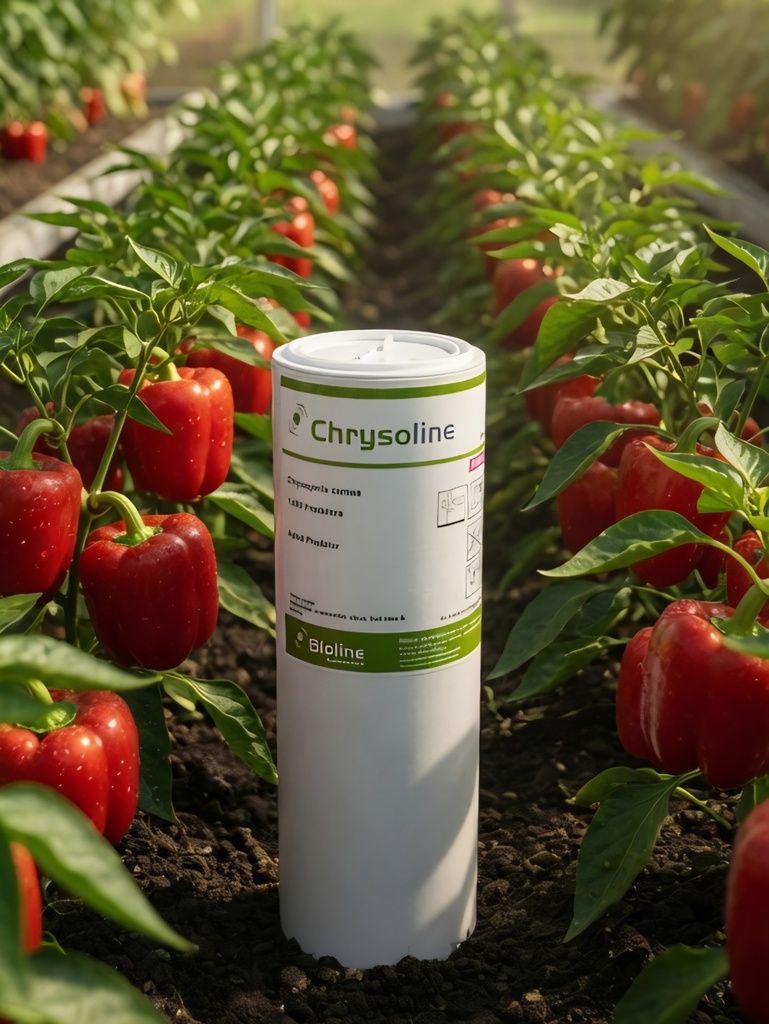
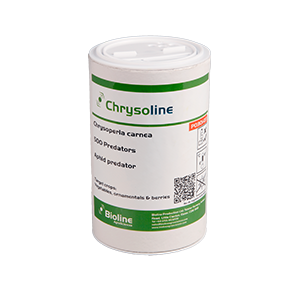
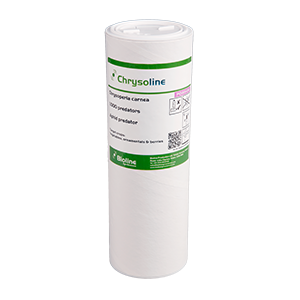
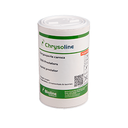
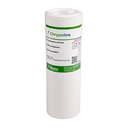
Pack size: 1,000 pcs, 1 l tube
Chrysoline contains second instar larvae of the green lacewing (Chrysoperla sp.). The larvae are predators of insects, mites and aphids – one larva eats more than 200 aphids. Its quick knock-down effect makes it ideal for hot spot treatments. Adults feed only on nectar and pollen and are not predatory. Produced by Bioline Agro Sciences.
Chrysoperla carnea (Chrysoline) – green lacewing for aphid control
Pack size: 1,000 pcs, 1 l tube
Chrysoline contains the second instar larvae of Chrysoperla sp., commonly known as green lacewings. The larvae are predators of insects, mites and aphids; the adults feed only on nectar and pollen and are not predatory.
Target pests
- aphids,
- mealy bugs.
Key features
- targets a broad spectrum of aphid pests on different plants, so an incorrect species identification is far less of a worry,
- one larva can eat more than 200 aphids,
- easy to observe and monitor,
- ideal for hot spot treatments thanks to its quick knock-down effect on aphids.
How it works
The larvae remain in place on aphid colonies and are used as a curative treatment for localised attacks. Once the mandibles have penetrated the prey, the larva injects enzymes which gradually digest the internal organs of the aphid, and the liquid body contents are then sucked out. Tests show total consumption by a single larva in 14 days at 21 °C: more than 200 Macrosiphum euphorbiae, 385 Myzus persicae or 425 Aphis gossypii. Adults disperse, so new releases may be required to maintain control.
Application
- The product is supplied as larvae in a carrier material – on receipt, place the containers in a cool, shaded area.
- Do not expose to direct sunlight.
- Open the container in the greenhouse and release the larvae directly onto identified aphid colonies.
- Make sure the carrier material stays on the plant – if it falls to the floor, many larvae will be lost.
- Note: the larvae are cannibalistic if confined together without food, so Chrysoline is not suitable for preventive use.
Packaging and storage
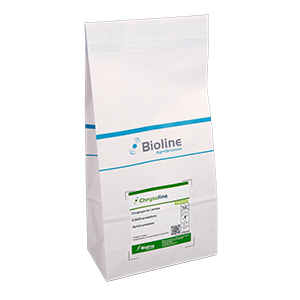
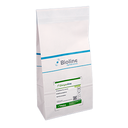
500 ml cardboard tube – 500 larvae; 1 l tube – 1,000 larvae; 5 l bag – 2,500 larvae; case of four 5 l bags – 10,000 larvae. Transport and store in darkness at 6–10 °C in a horizontal position, use within 18 hours of receipt.