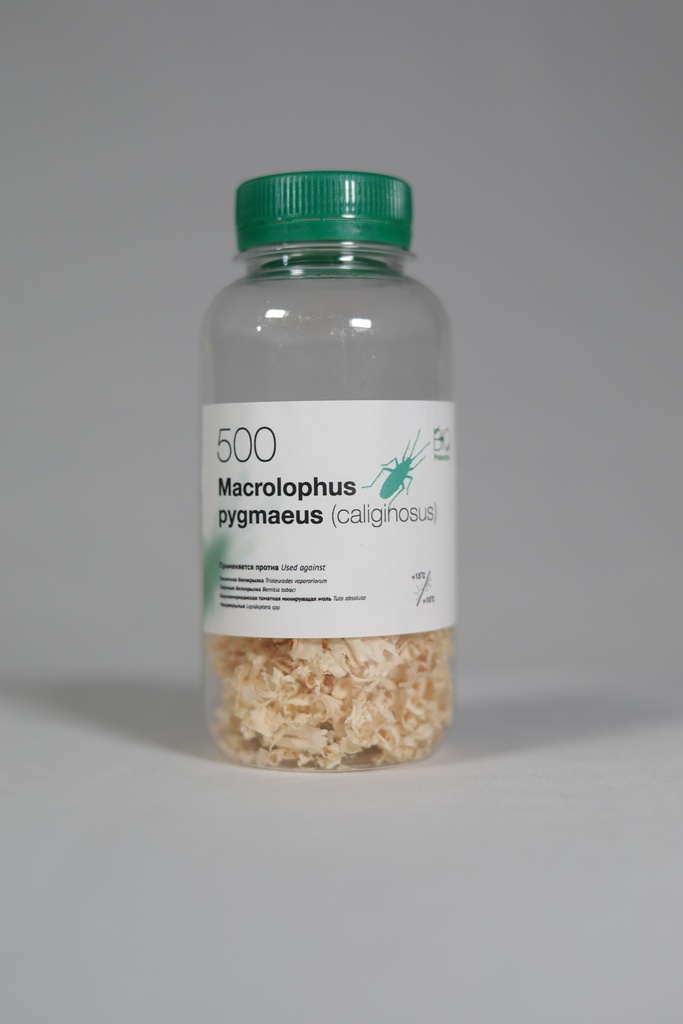
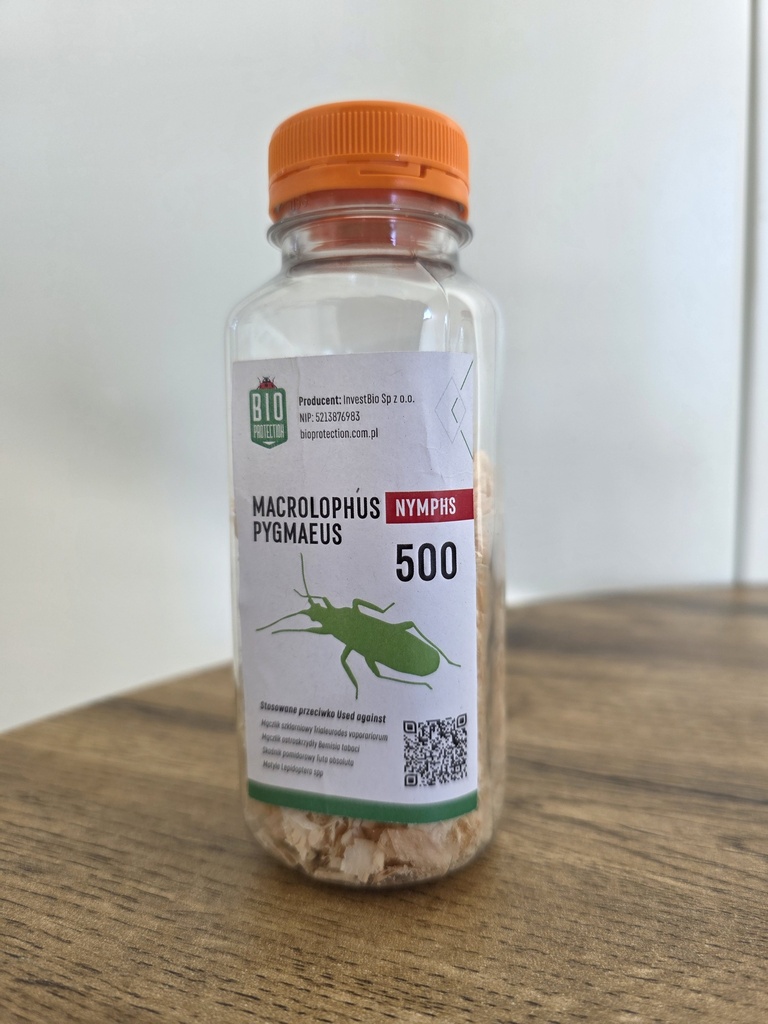
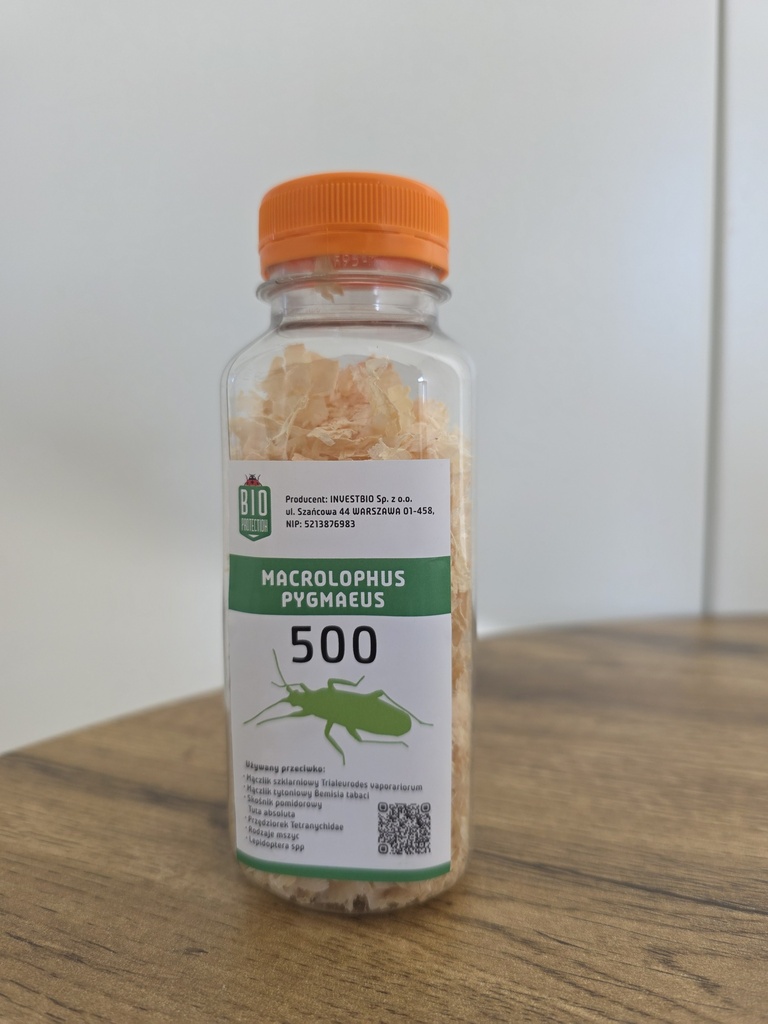
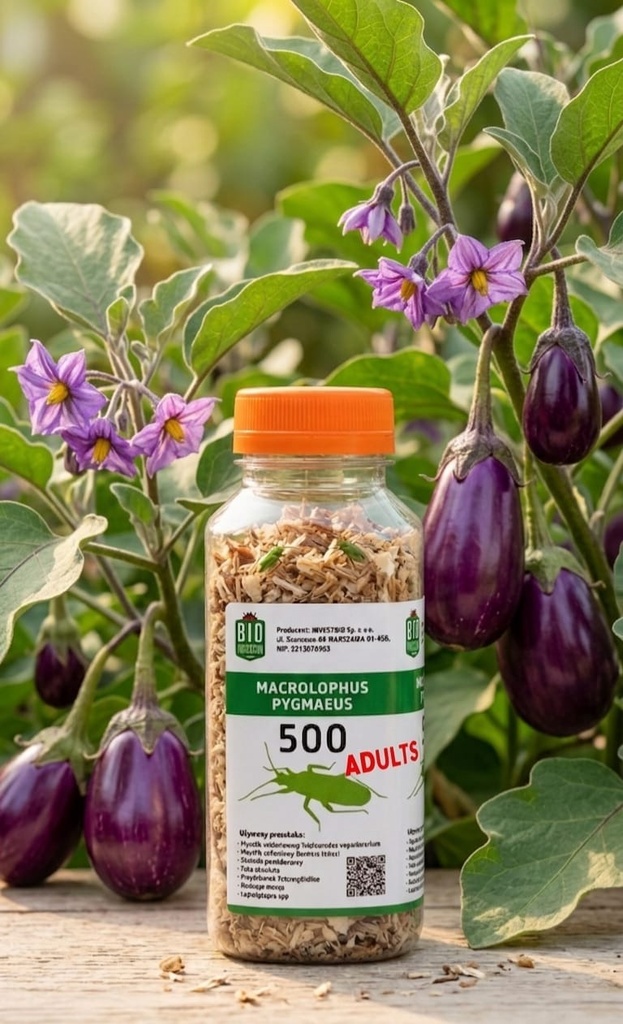
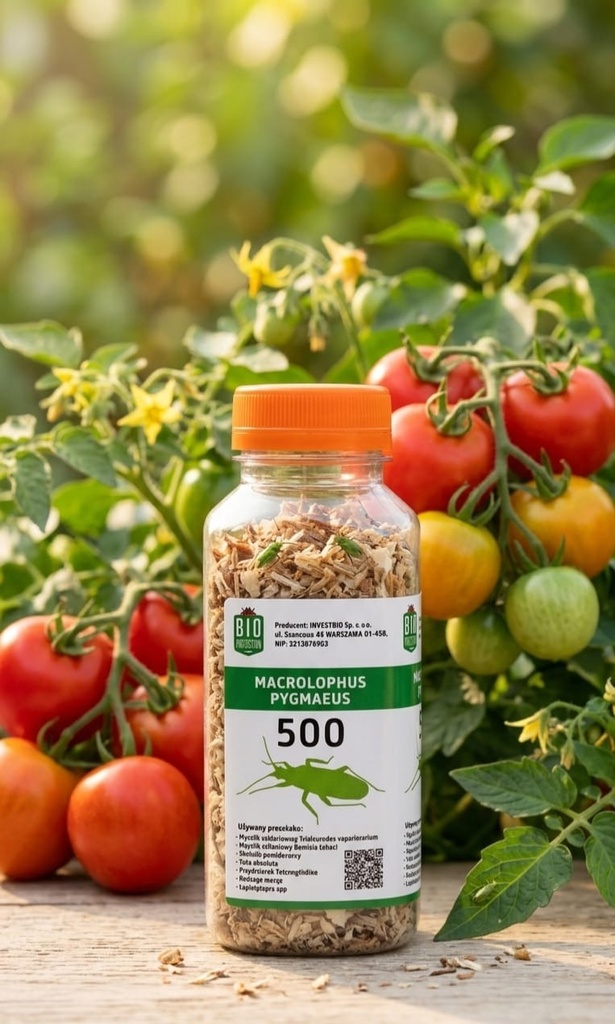




Macrolophus pygmaeus
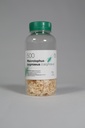
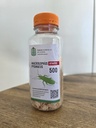
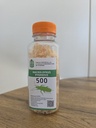
Pack size: 500 pcs, jar 250 ml
Macrolophus pygmaeus is a green predatory bug for the biological protection of tomato, aubergine, pepper and carnation. It eats all whitefly stages, aphids (up to 40 per day), thrips, spider mites and the eggs and larvae of moths, including the tomato leafminer. In its lifetime one individual destroys up to 3,500 eggs or 2,500 whitefly larvae. Nymphs hunt from 13 °C. 250 ml bottle – 250 or 500 individuals. Produced by Bioproduction.
Macrolophus pygmaeus – predatory bug for tomato, pepper and aubergine protection
Pack size: 500 pcs, jar 250 ml
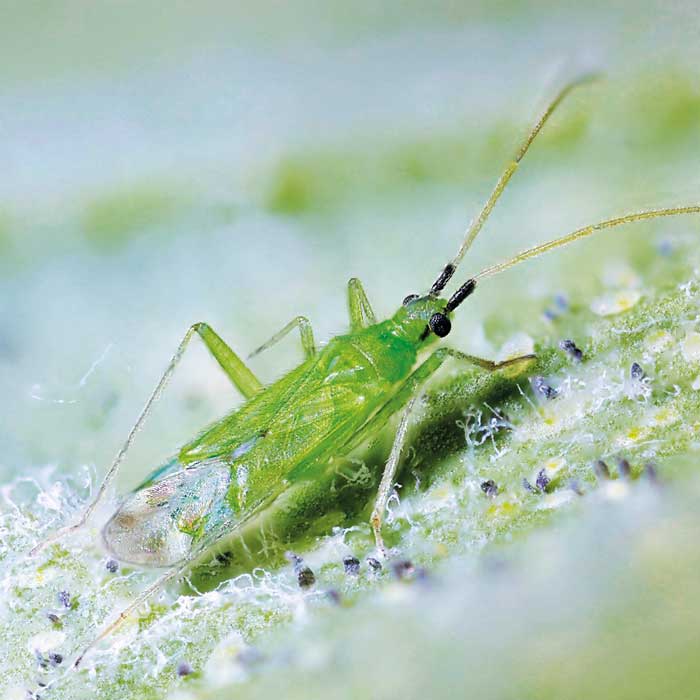
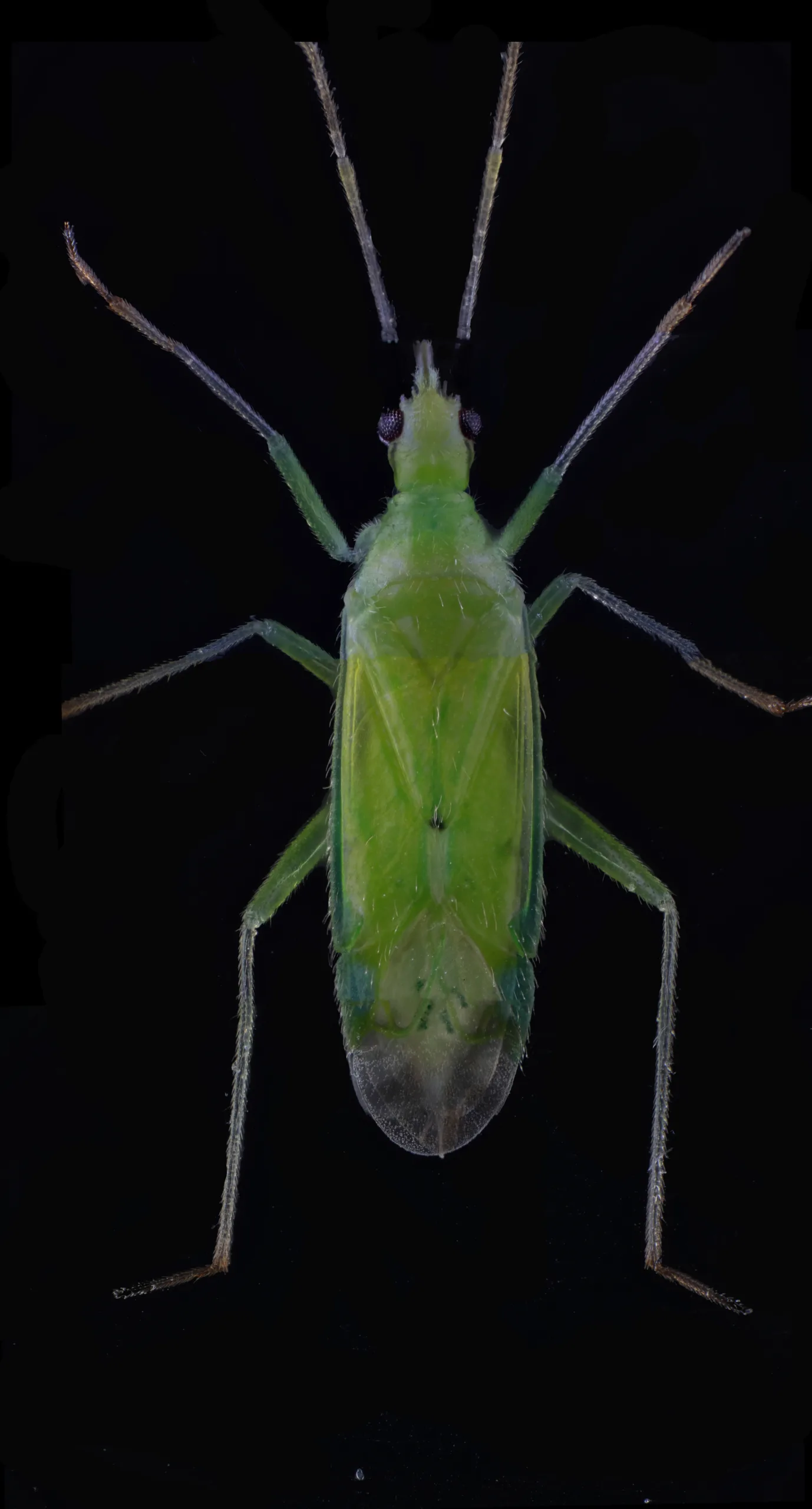
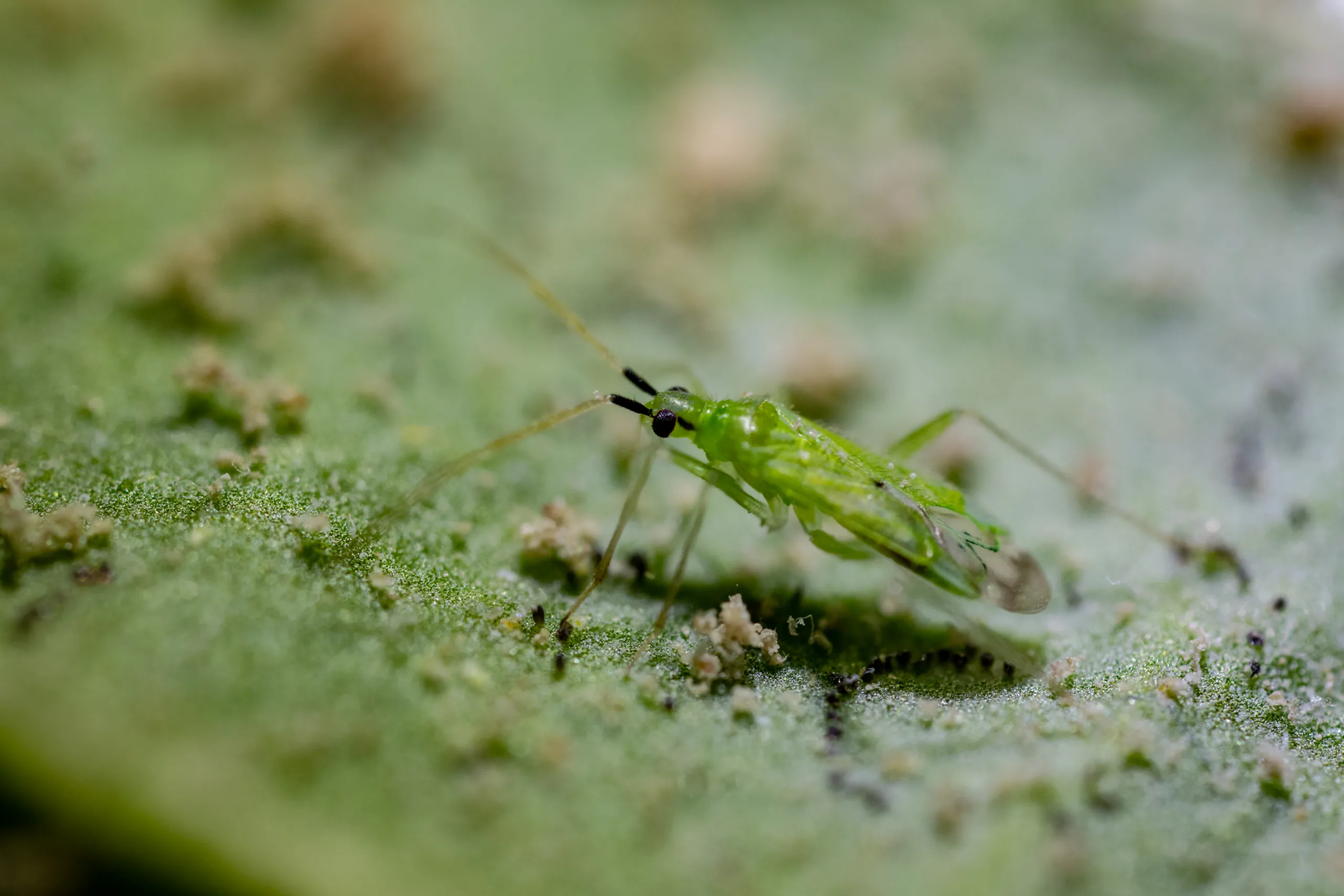
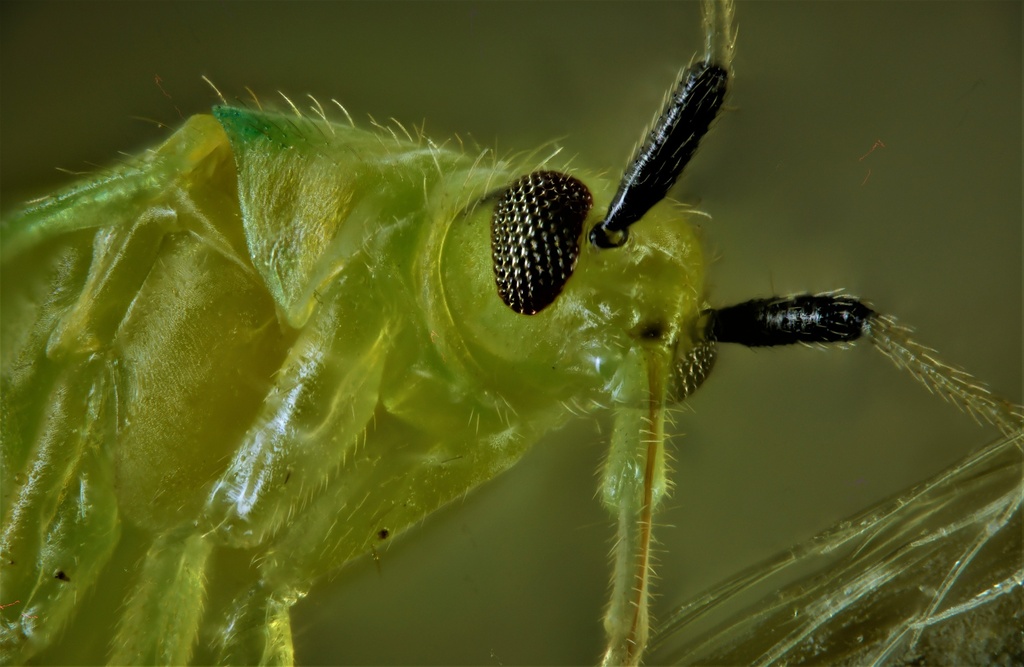
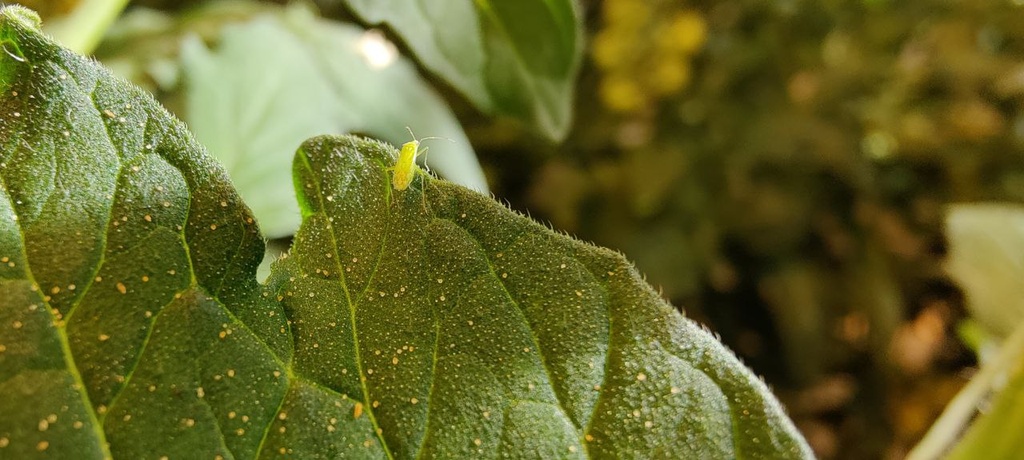
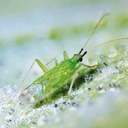
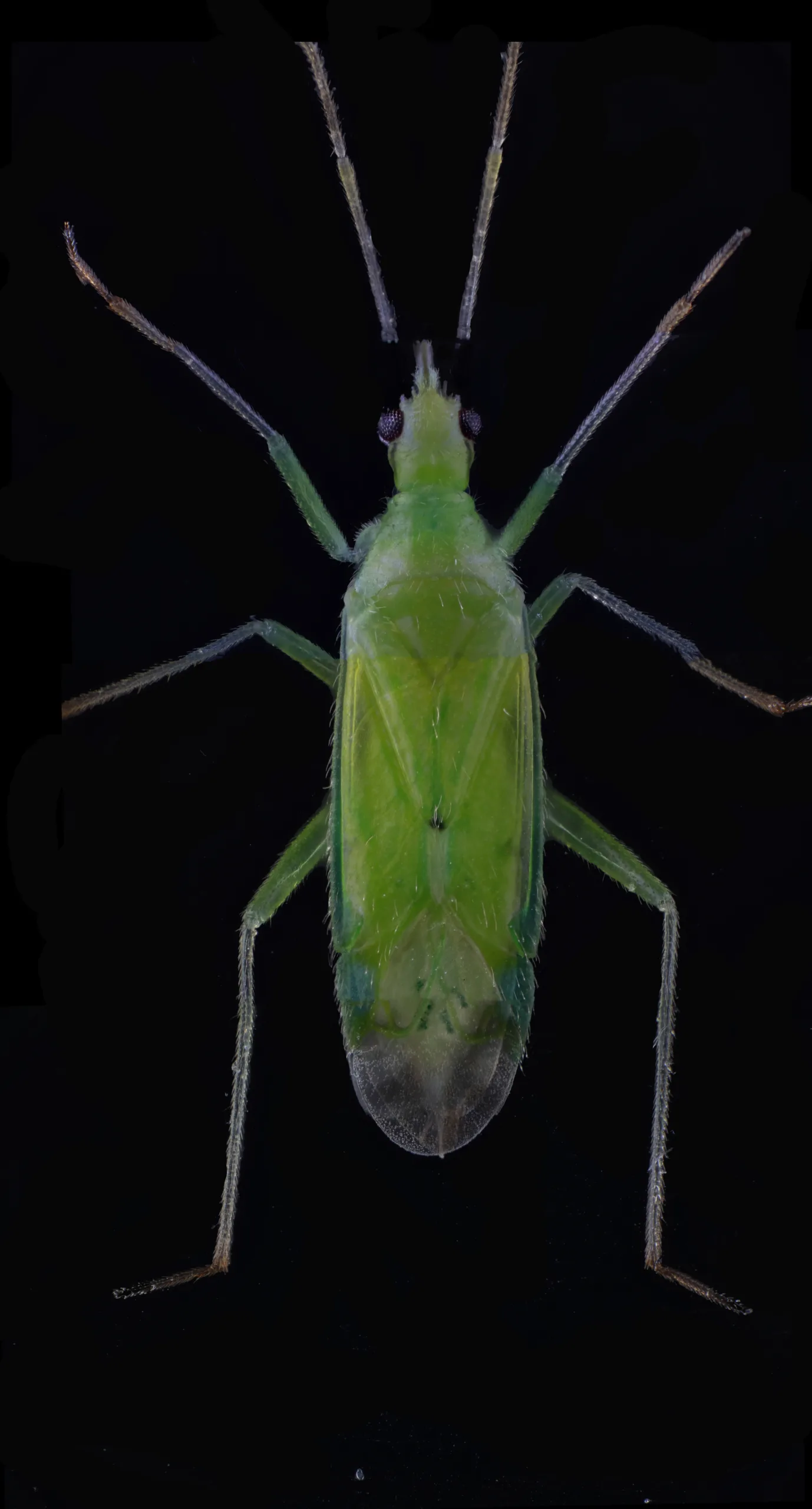
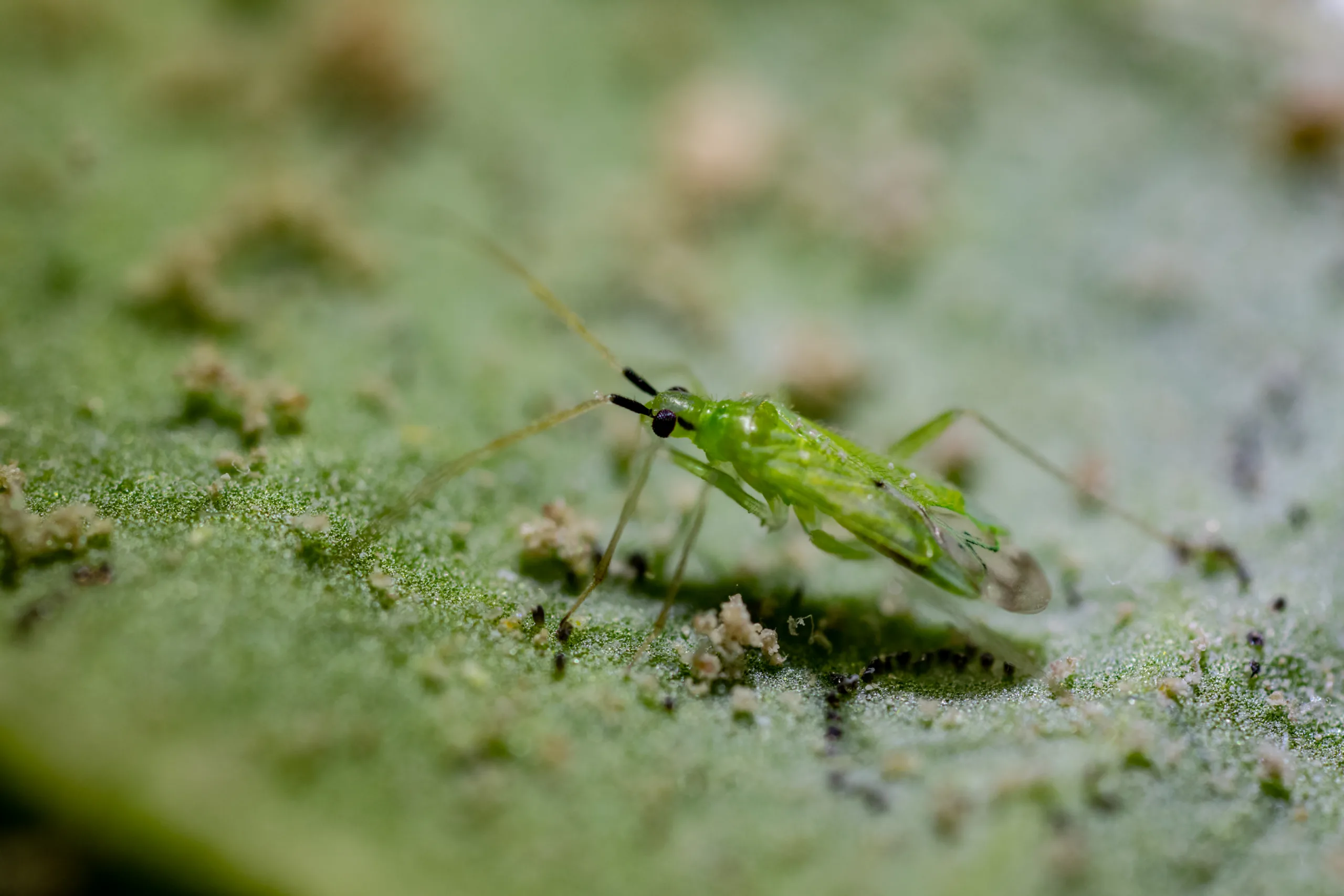
Macrolophus pygmaeus is a biological protection tool for many crops. It has an elongated green body (2–11 mm), a pair of compound eyes with black stripes behind them and a black first abdominal segment. The 4th- and 5th-instar nymphs are the most voracious; adults are less so. In a day the predator destroys about 40 aphids or about 30 young whitefly larvae, and in its lifetime up to 3,500 eggs or 2,500 whitefly larvae.
Target pests
All whitefly stages, various aphid species, spider mites, eggs and larvae of moths (including the tomato leafminer Tuta absoluta), all thrips species. The main targets in greenhouses are aphids, whitefly and the tomato leafminer; the predator is effective on tomato, pepper and aubergine.
Crops
Tomato, aubergine, pepper, carnation and other crops.
Life cycle and temperature
Four stages: egg – larva (1st and 2nd instar) – nymph (3rd, 4th and 5th instar) – adult. Eggs are inserted deep into the stem or leaf petiole; embryonic development takes 14–35 days (21 on average). Nymphs start hunting above 13 °C regardless of humidity; the population withstands temperatures up to 42 °C, shifting activity to the cooler hours. Nymph development takes 18–25 days, one generation 37–43 days. The female lives up to 71 days (30 on average) and actually lays 70–80 eggs; above 30 °C fecundity drops markedly. Without prey the bug feeds on plant sap and its life cycle shortens fivefold – which is why the population is supplementary-fed with the MacFood mix.
Application
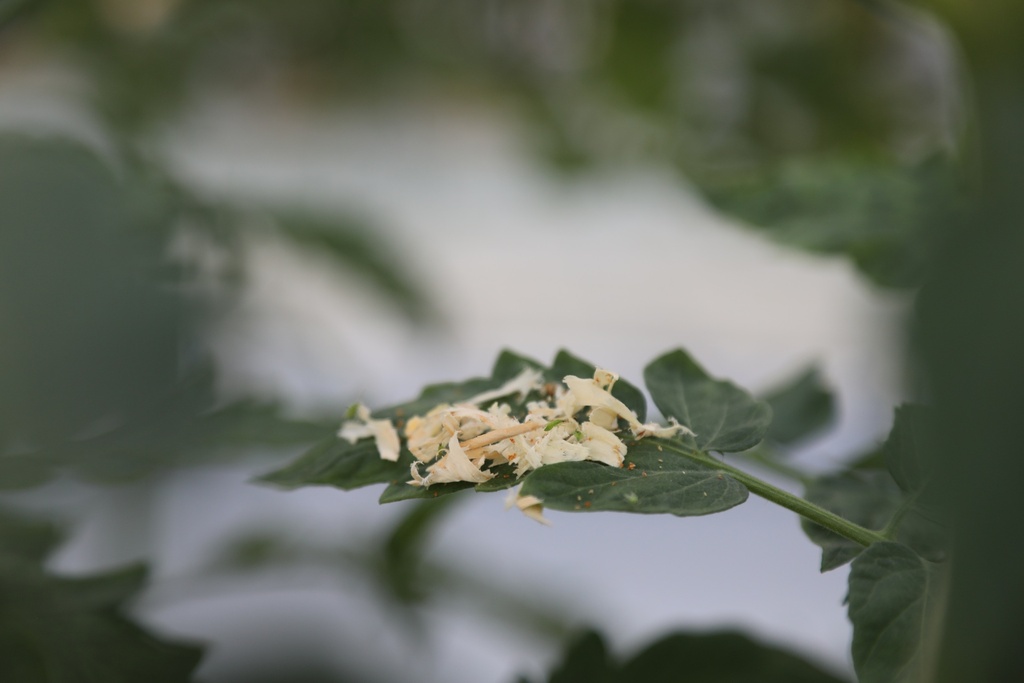
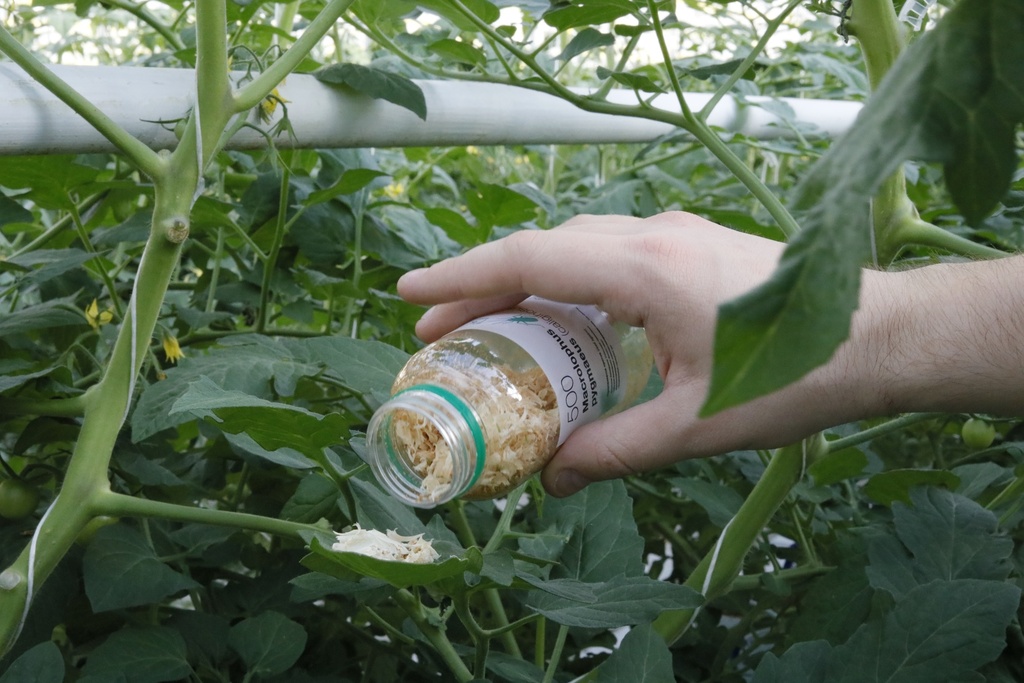
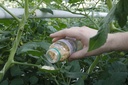
To colonise seedlings the bugs are released in improvised bio-boxes. In the greenhouse release is done at the end of the day or at night, after the screens are closed; beforehand sticky traps are removed and food is sprinkled on the plants. Food is dosed at about 1–2 g per group of plants, preferably on the upper leaves, and repeated weekly to establish the population. The container is opened directly over the crop, turned gently and tapped while walking along the rows; the pack is left on the crop for a few hours so the remaining insects move onto the plants themselves. After establishing 2 individuals/m², feeding continues for three months.
- Preventive rate: 2 individuals/m² in 1–2 introductions.
- Rate for controlling pest hotspots: 5 individuals/m² in 2–3 introductions.
Packaging and storage
250 ml plastic bottle – 250 or 500 individuals. Use within 18 hours of receipt; until then store in a cool place at 5–10 °C, protected from direct sun.