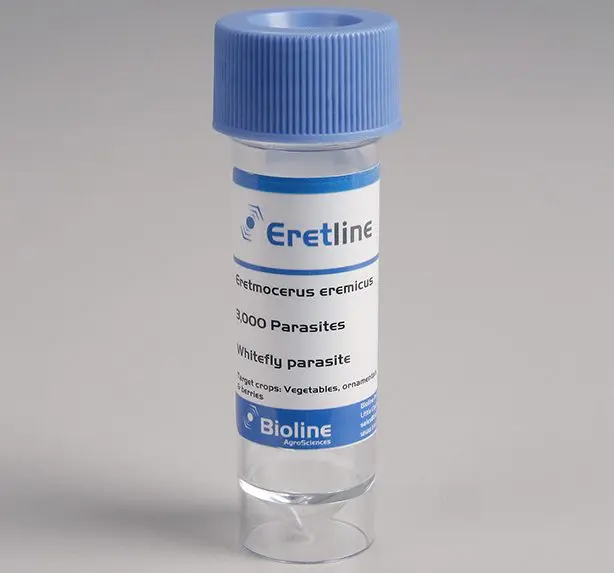

Eretmocerus eremicus
Pack size: 3,000 pcs, vial 30 ml
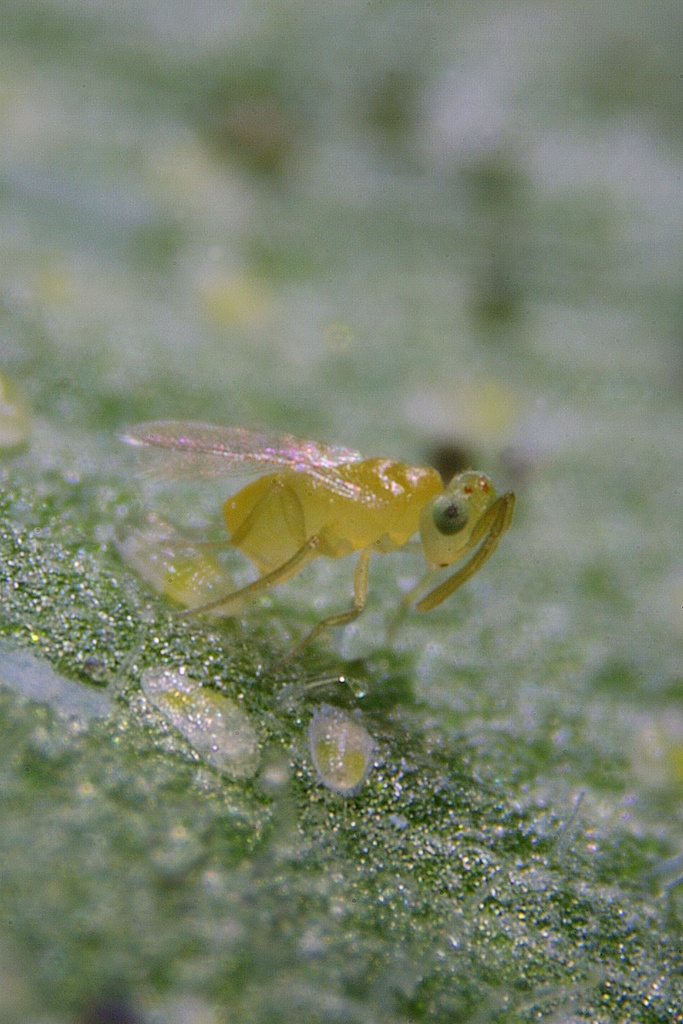
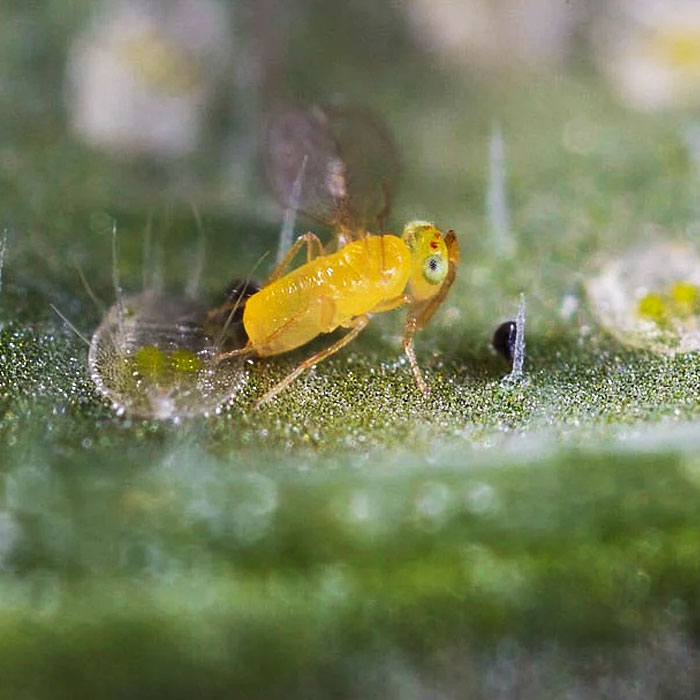
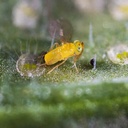
Eretmocerus eremicus is a small (0.75 mm) yellow-orange parasitic wasp that controls whitefly. The female lays eggs under whitefly larvae (120–270 in her lifetime) and additionally punctures larvae and feeds on their haemolymph – up to 40% of the whiteflies it destroys die this way. Available as powder, cards and blisters. For tomato, cucumber, aubergine, rose, gerbera, melon and watermelon. Produced by Bioline.
Eretmocerus eremicus – parasitic wasp for whitefly control
Pack size: 3,000 pcs, vial 30 ml
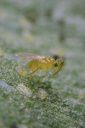
Eretmocerus eremicus is a small parasitic wasp with a light yellow to orange body 0.75 mm long. All stages of development except the egg and the adult take place inside the whitefly larva.
How it works
The female lays pear-shaped eggs on the leaf directly under the whitefly larva – initially transparent, light brown after about 3 days; depending on the temperature she lays 120–270 eggs. The larva bores under the integument of the host larva and, once the puparium forms, releases digestive enzymes and feeds on the host's body; the puparium takes on a yellowish tint. The adult female also punctures whitefly larvae with her ovipositor and feeds on the haemolymph – in this way up to 40% of the destroyed individuals are killed.
Crops
Tomato, cucumber, aubergine, rose, gerbera, melon, watermelon and other crops.
Temperature
Development time of one generation (egg to egg): 35 days at 20 °C, 26 days at 25 °C, 16 days at 30 °C.
Key advantages
Unlike Encarsia formosa, Eretmocerus lays its eggs not inside the larva but between the whitefly larva and the leaf, which is much faster. Additional host feeding on larval haemolymph speeds up the decline of the whitefly population.
Application
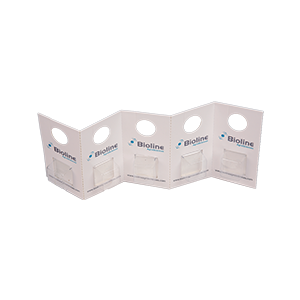
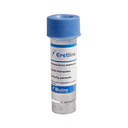
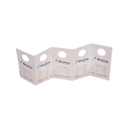
Available as powder, cards and blisters. Powder: apply in the morning or evening, avoiding direct sun; pour the contents of the bottle onto leaves or substrate where whitefly occurs. Blisters: separate along the perforation, pull out the hook and hang the open blister on a leaf in a shaded place. Cards: carefully separate and attach to the plant in a place sheltered from the sun.
- Preventive rate: 0.1 card/m² before adult whiteflies appear and 0.2 card/m² after the first signs of the pest. When 90% of the pupae on a leaf are affected, reduce the rate.
- Rate for controlling pest hotspots: 10 individuals/m² per week.
Packaging and storage
30 ml vial – 3,000 individuals; 20 blisters – 5,000 or 10,000 individuals; 60 cards – 3,000 individuals; 200 cards – 10,000 individuals; 250 cards – 15,000 individuals. Transport and storage temperature 5–8 °C, use within 18 hours of receipt.