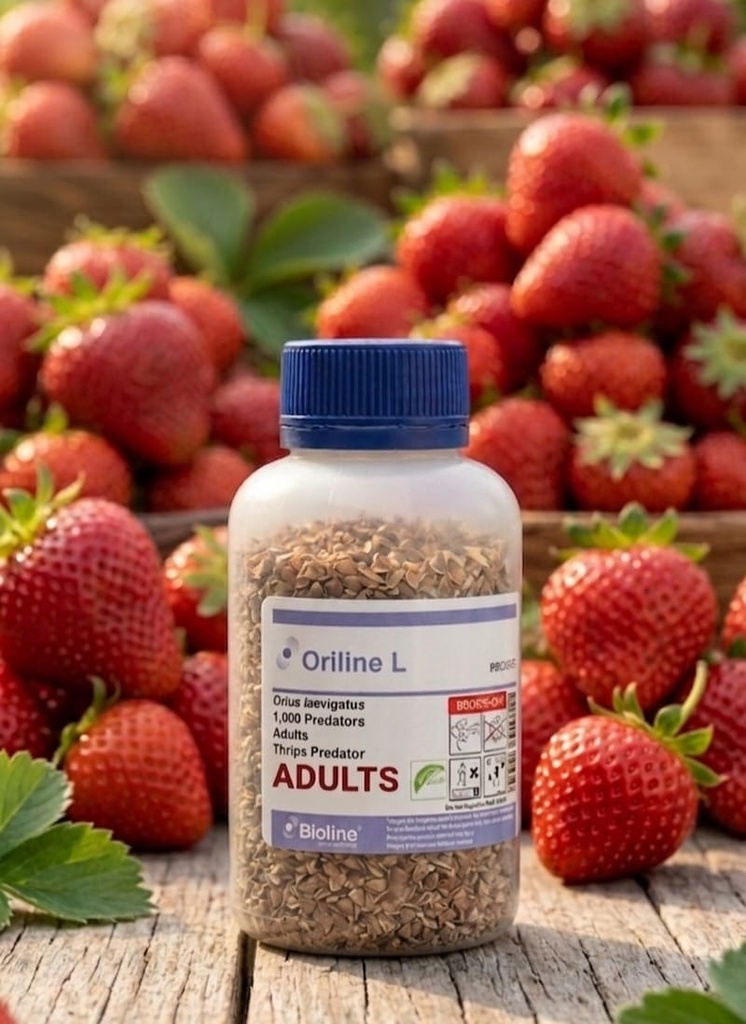
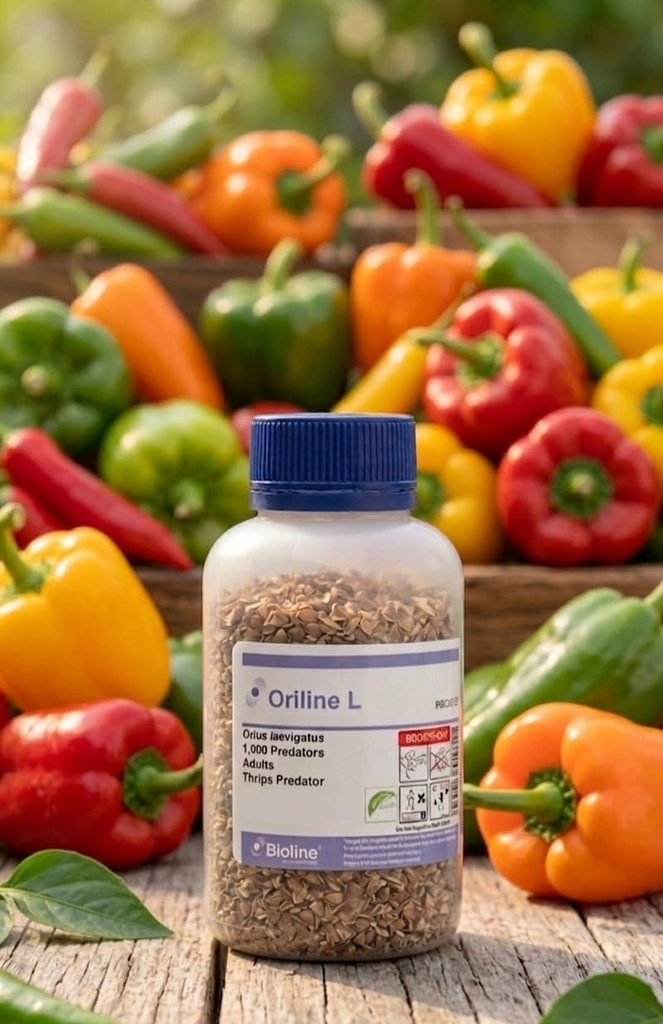

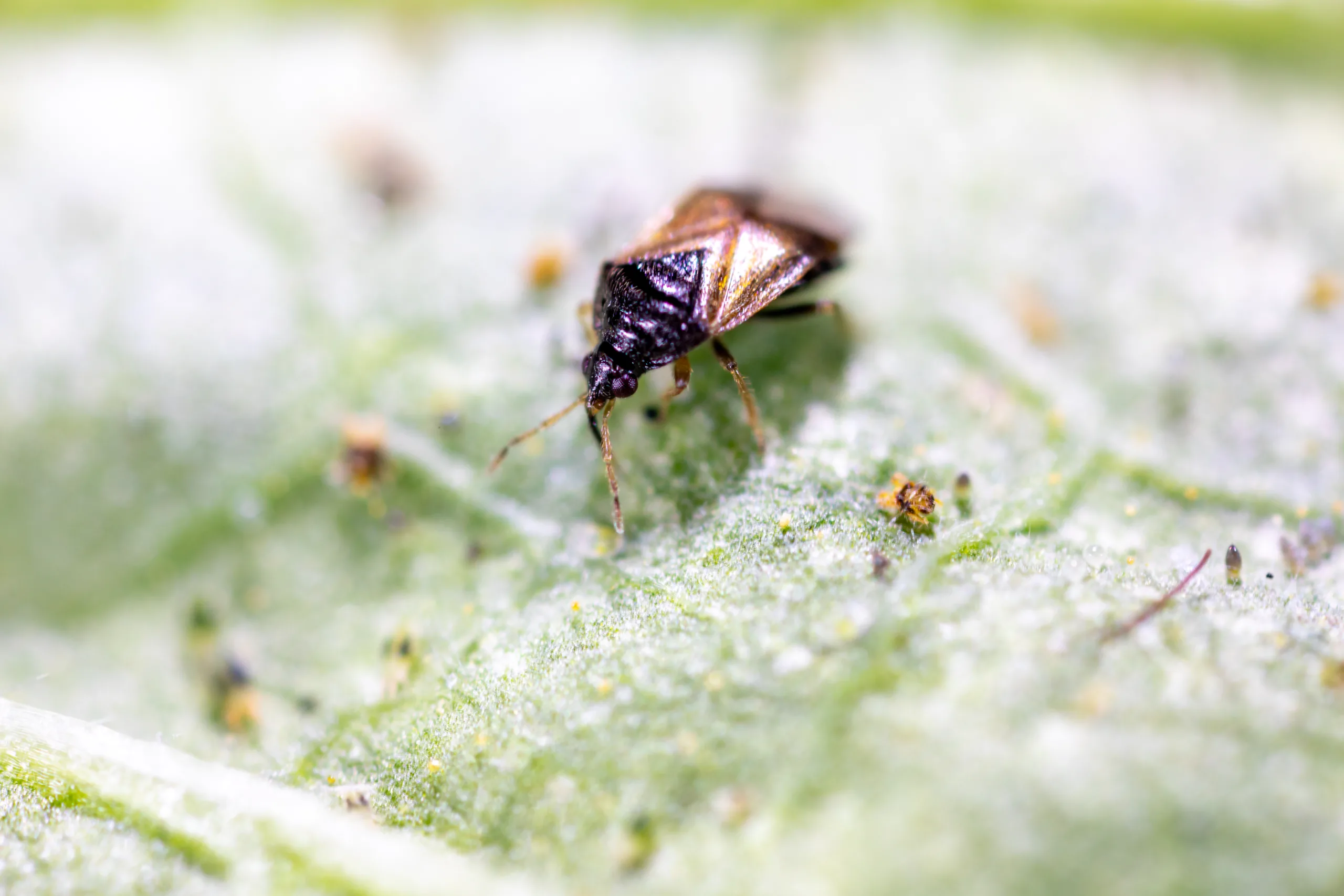
Orius laevigatus
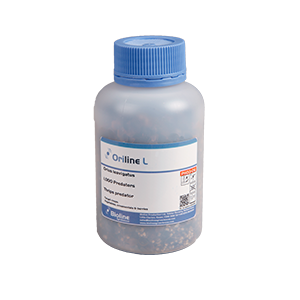
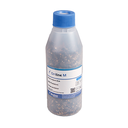
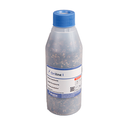
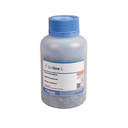
Pack size: 1,000 pcs, jar 500 ml
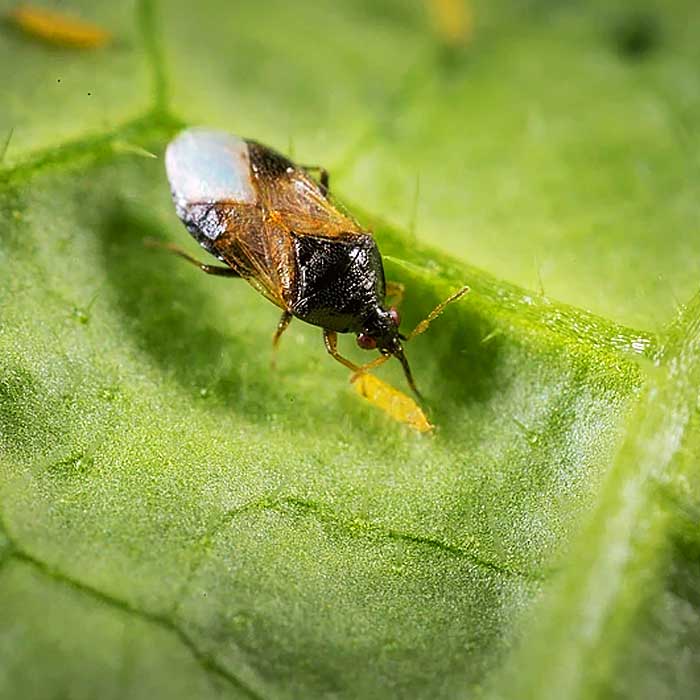
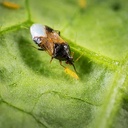
Orius laevigatus is a predatory bug (2.5–3 mm) exceptionally effective against thrips – a female kills 60–70 thrips per day, a nymph 25–30. As a polyphage it also eats aphids, whiteflies, spider mites and moth eggs, and without prey feeds on pollen and plant sap, so it builds a lasting population (especially on pepper). No diapause, flies well and enters flower buds. Bottles of 500, 1,000 and 2,000 individuals.
Orius laevigatus – predatory bug for thrips control
Pack size: 1,000 pcs, jar 500 ml
Orius laevigatus is a predatory bug that destroys many pests – above all thrips, but also spider mites, aphids, whiteflies and moths. It is one of the most effective natural control agents; without prey it feeds on plant sap and pollen, so it builds a lasting population even without the pest. Used in the field and under cover with the same efficacy, e.g. on melon, pepper, strawberry, maize and lucerne.
Appearance and life cycle
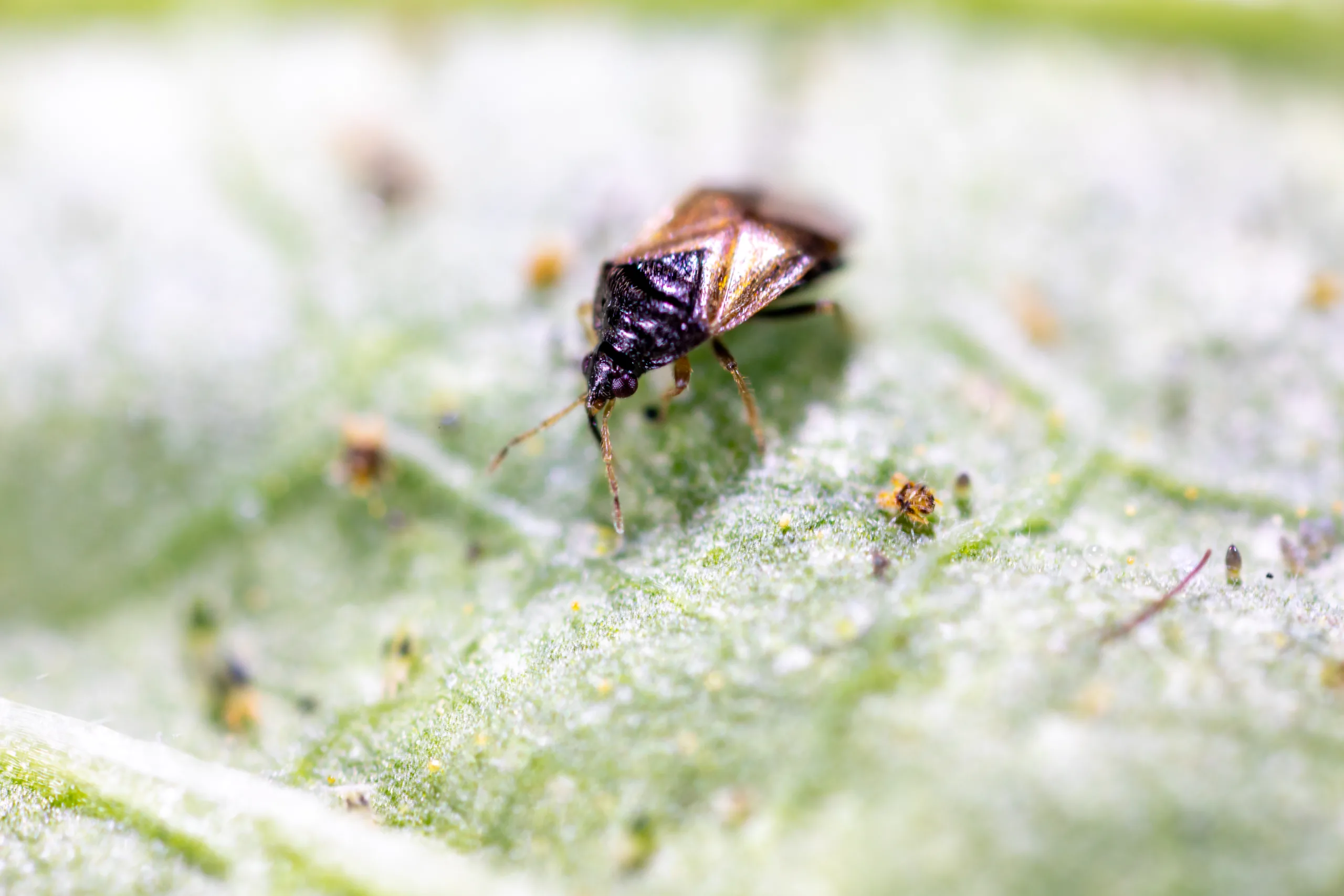
Adults are brown-black with grey spots, pear-shaped, 2.5–3 mm, with piercing-sucking mouthparts; two-coloured wings (dark at the base, light at the tip). Seven stages: egg, five nymphal instars and adult; no diapause. The female lays eggs singly in the leaf tissue (120–150 eggs in her lifetime, 1–3 per day). Development from egg to adult: 60 days at 15 °C, 25 days at 20 °C, 15 days at 25 °C, 9 days at 30 °C, 13 days at 35 °C. The population grows fastest at about 60% humidity and 21–27 °C; the life cycle lasts 20–45 days.
Target pests
Thrips in all stages, including adults – a female kills 60–70 thrips per day, a nymph 25–30 (with excess food it kills more prey than it eats). Also aphids, whiteflies, spider mites, moth eggs.
Crops
Chives, raspberry, melon, watermelon, cabbage, aubergine, cucumber, pepper, gerbera and other crops. On pepper, thanks to abundant pollen, Orius colonises the crop before thrips appear; on cucumber it acclimatises more slowly. In ornamentals efficacy depends on the presence of pollen – in cut flowers part of the population is removed with the harvest.
Key advantages
- no diapause,
- the flat body allows it to work inside flower buds,
- mobility and good flight – high hunting efficiency,
- versatility – a polyphage that also feeds on pollen.
Application
Use in closed greenhouses, early in the morning or in the evening, avoiding bright sun. Spread the contents of the container evenly over the crop, gently shaking and turning the bottle. For preventive introduction the beneficial should be supplementary-fed with food mixes. Standard introduction is 1 individual/m² every two weeks, and about 10 individuals/m² when pest numbers are high.
- Preventive rate: 1 individual/m² per week.
- Rate for controlling pest hotspots: 10 individuals/m² per week.
Packaging and storage
250 ml bottle – 500 adults/nymphs; 270 ml bottle – 1,000 adults/nymphs; 500 ml bottle – 2,000 1st- and 2nd-instar nymphs. Use within 18 hours of receipt, store in a cool place at 5–10 °C, protect from direct sun.