

Hypoaspis miles
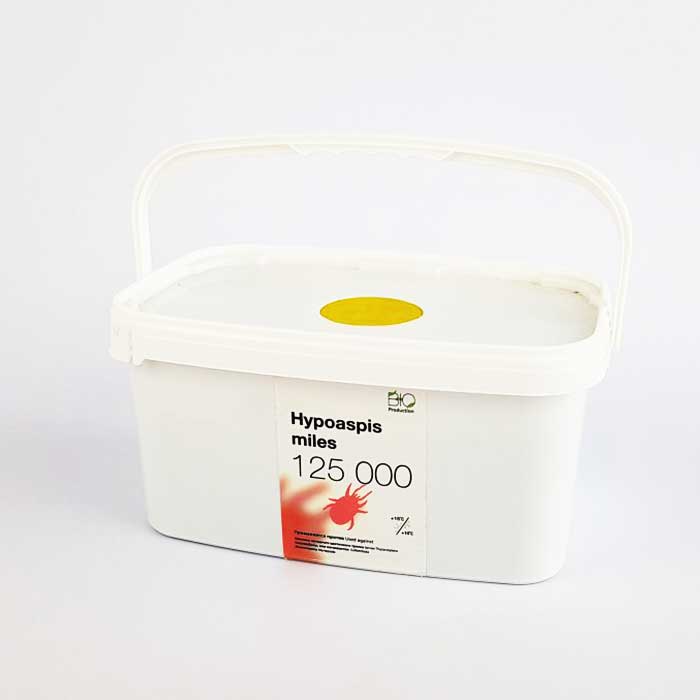
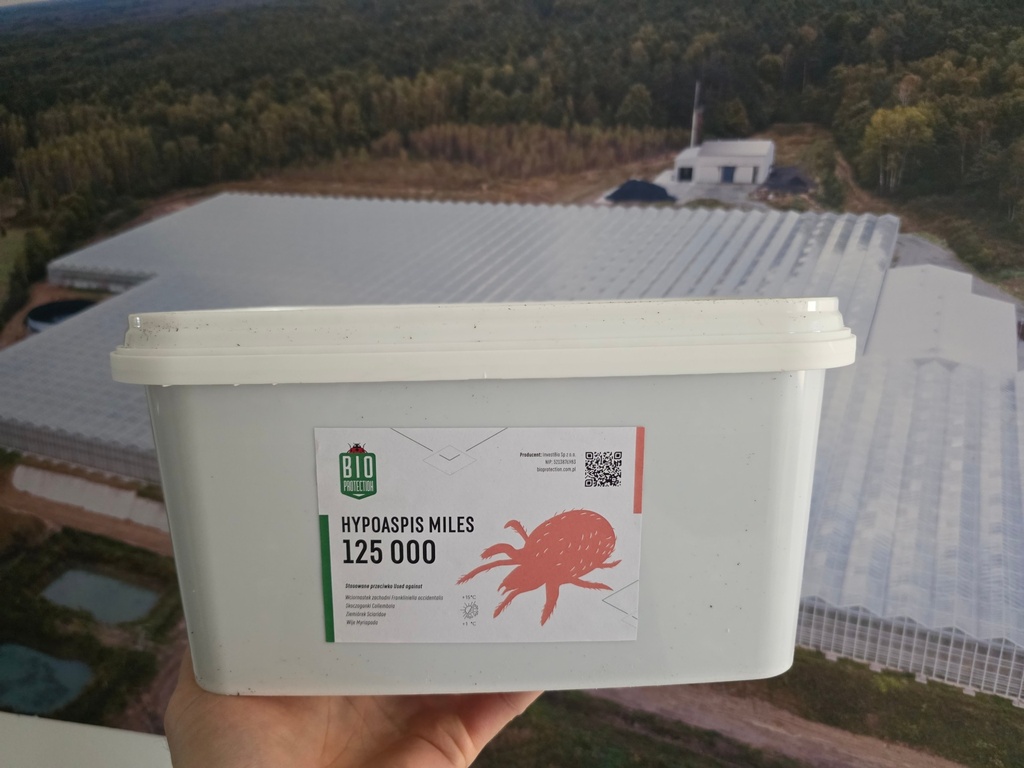
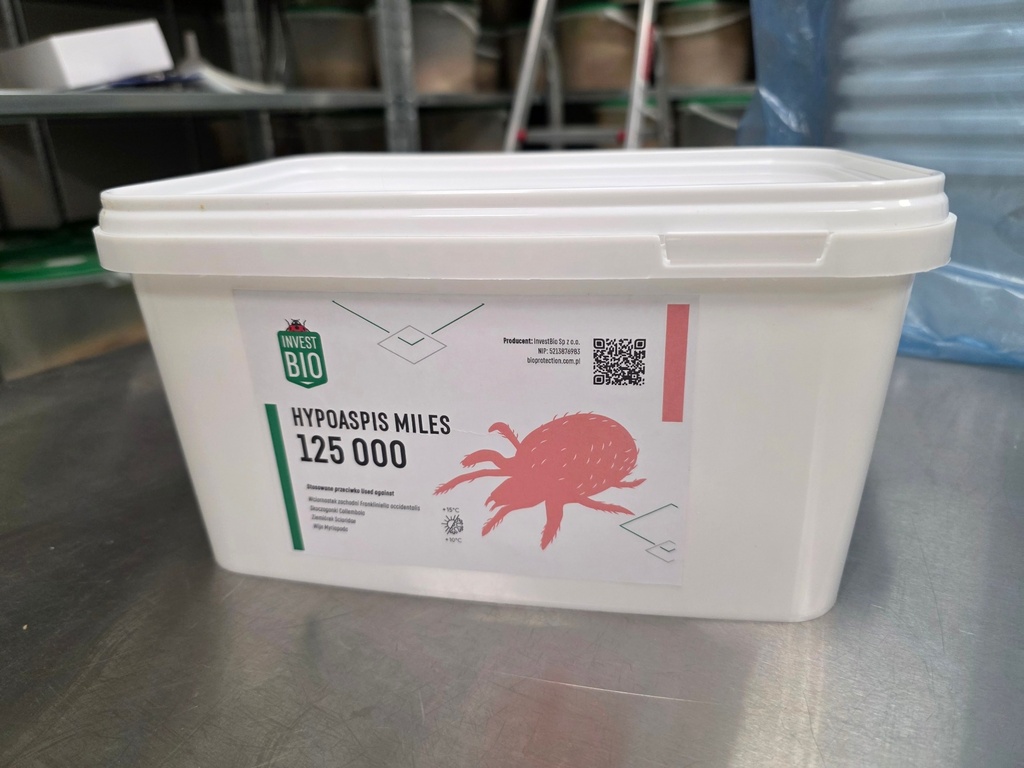
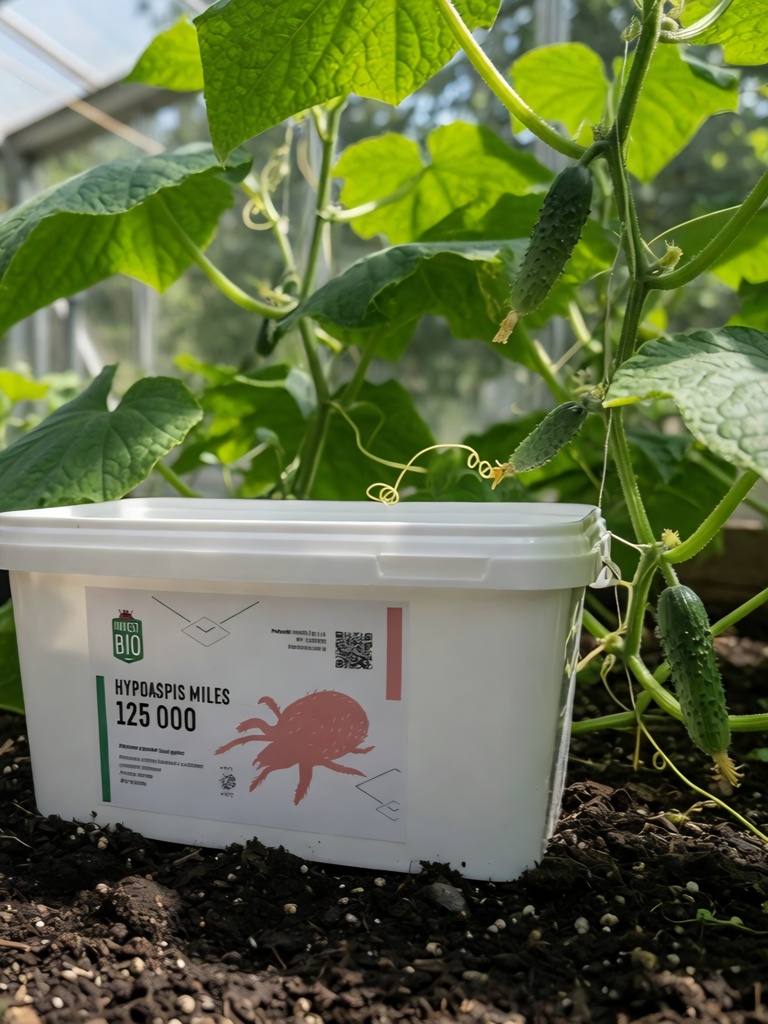
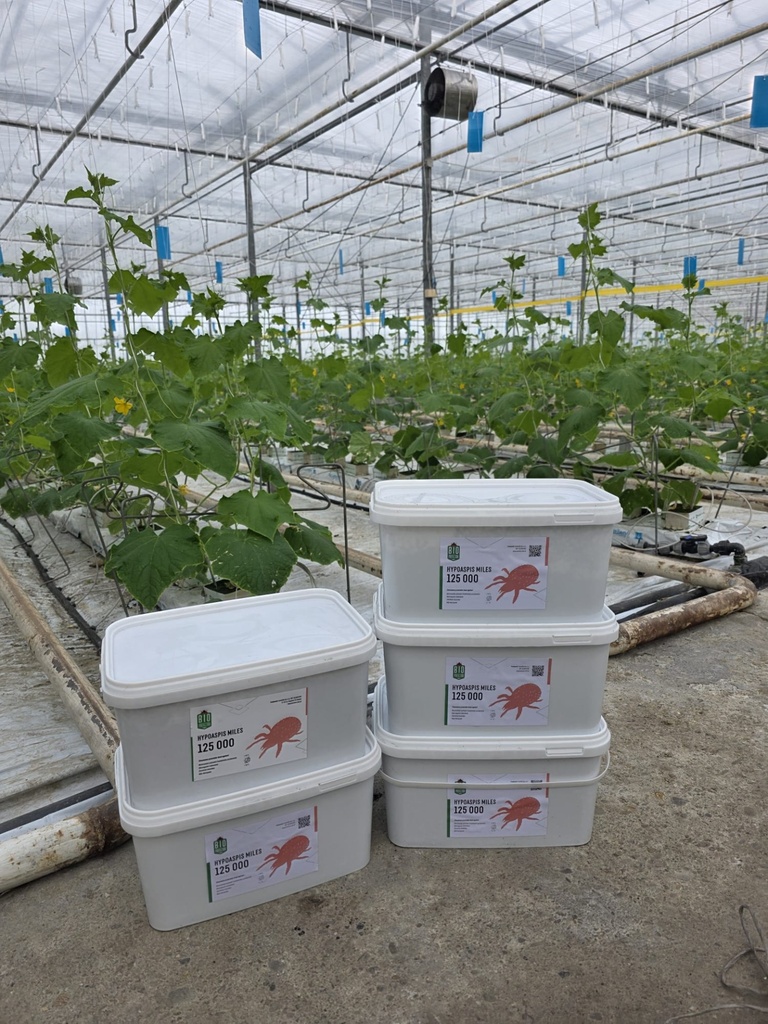
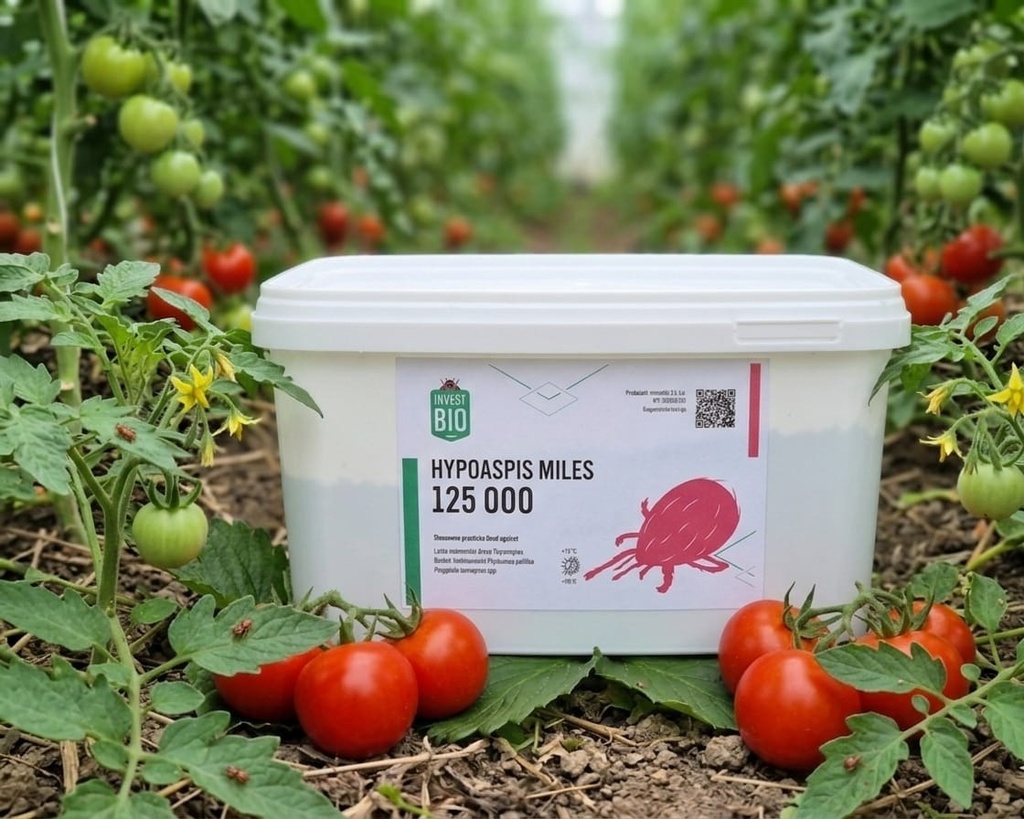
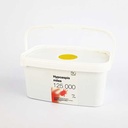
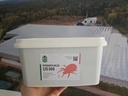
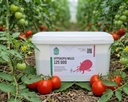
Pack size: 125,000 pcs, plastic bucket
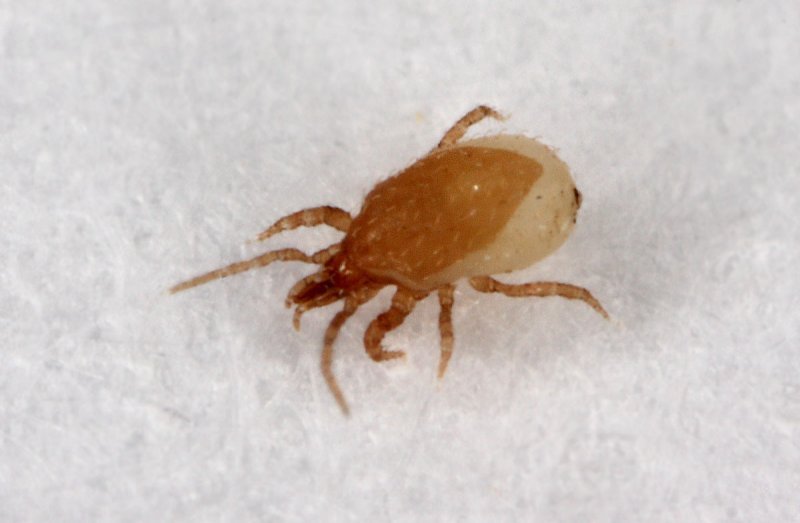
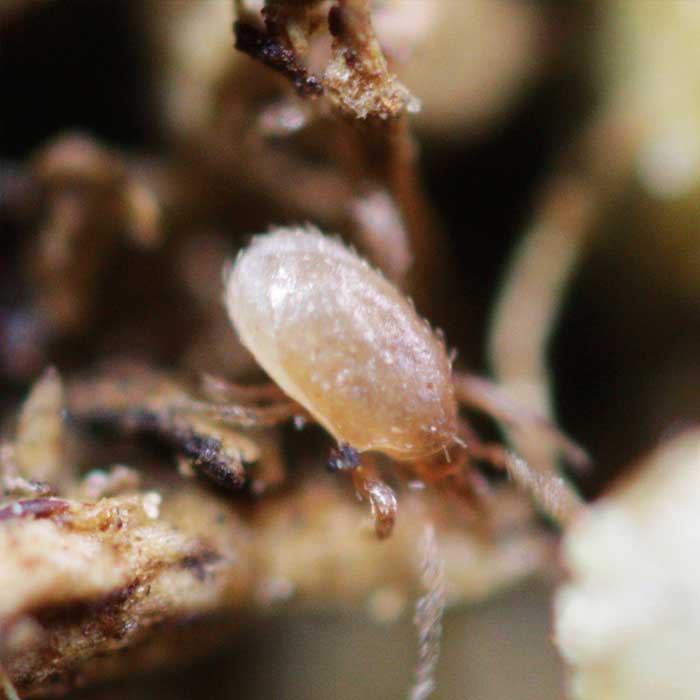
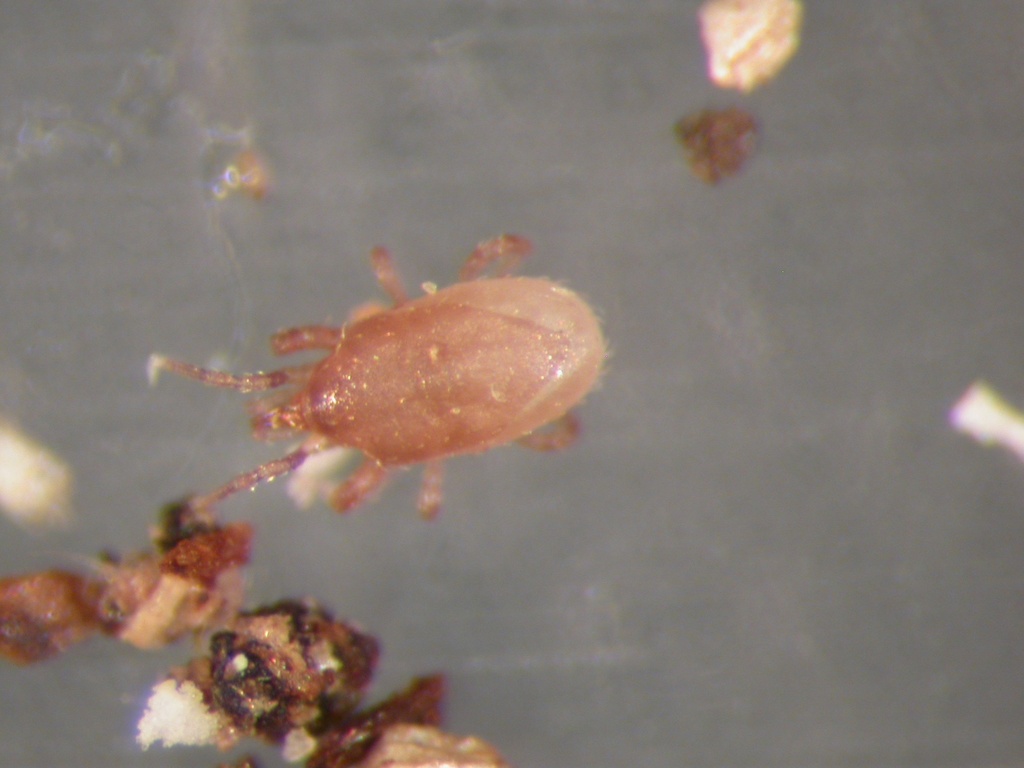
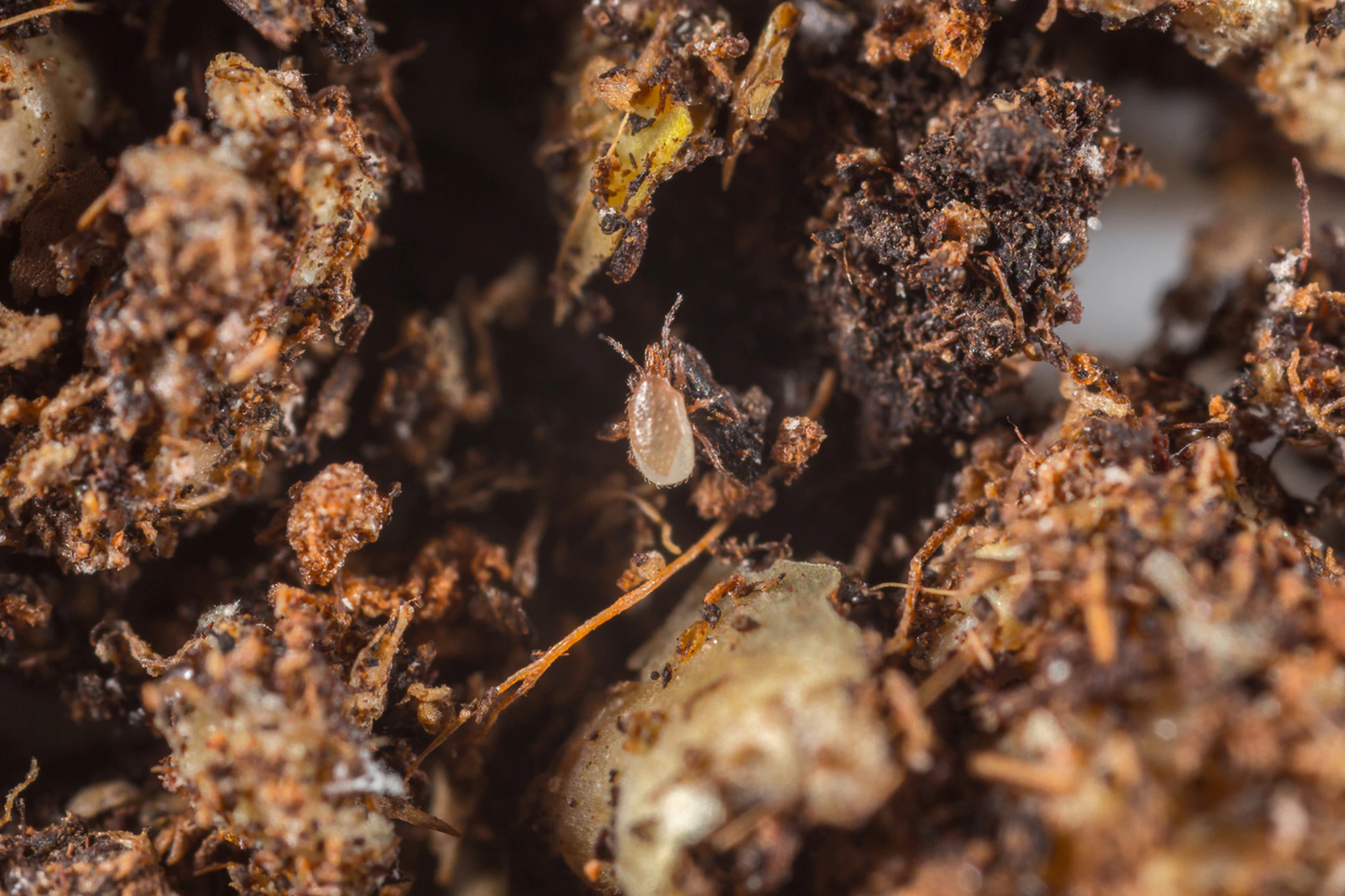
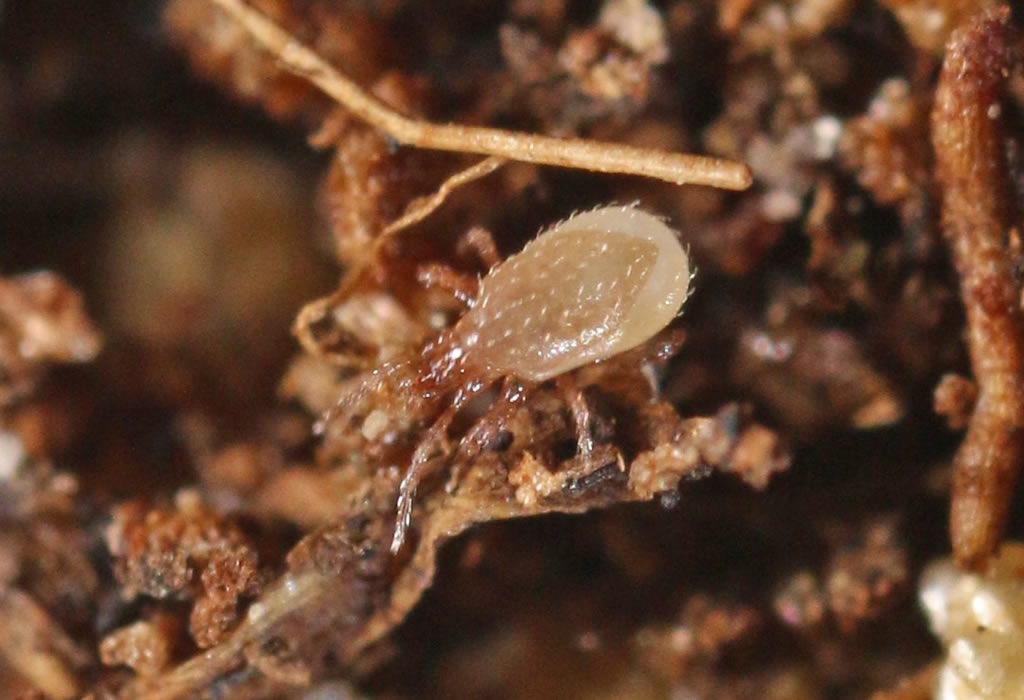
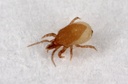
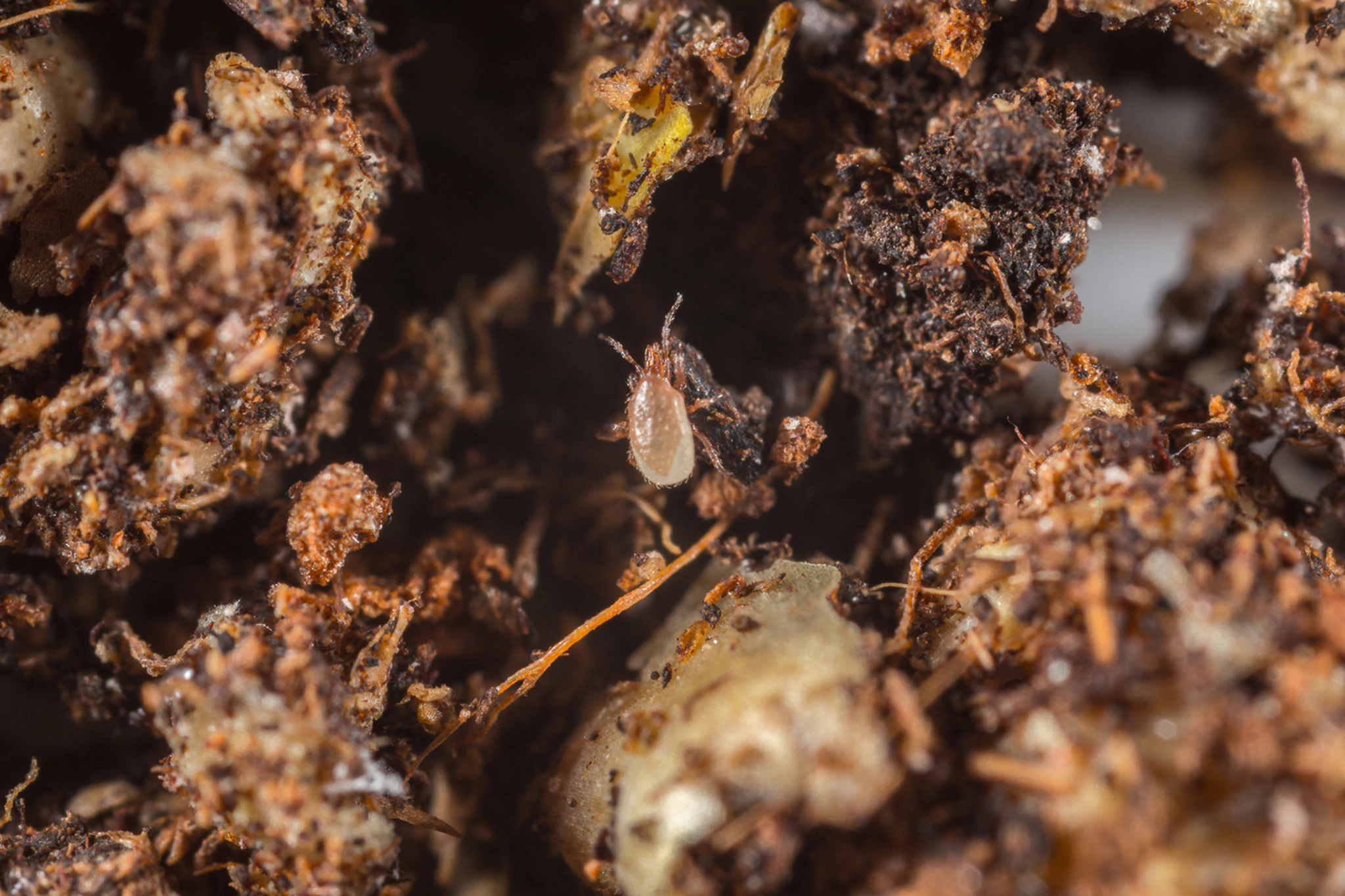
Hypoaspis miles is a soil-dwelling predatory mite (0.8–1 mm, brown) that lives and hunts in the upper layer of the substrate. It limits the build-up of thrips in the soil and is used against fungus gnats (sciarids), thrips, mites and other soil pests – one individual kills up to 5 pests a day. For tomato, cucumber, aubergine, pepper, rose, gerbera, chrysanthemum, strawberry, raspberry, blackberry, currant and grapevine. 1 l tube (25,000), 5 l bucket (125,000). Produced by Bioproduction.
Hypoaspis miles – soil predatory mite against thrips and soil pests
Pack size: 125,000 pcs, plastic bucket
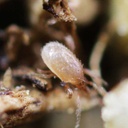
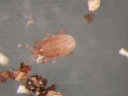
Hypoaspis miles is a predatory mite species that lives and hunts in the soil and substrate. One of its most important roles is suppressing the build-up of thrips in the soil. The body is oval, well sclerotised, 0.8–1 mm long; adults are brown. Female fecundity reaches 100–200 eggs; at 25 °C the female lays about 2.3 eggs per day.
Target pests
The female eats about 8 first-instar larvae, about 4 second-instar larvae or no more than 2 third-instar larvae per day; it practically does not feed on sciarid eggs and larvae. Used against garden pests, fungus gnats (sciarids), thrips (including flower thrips larvae), mites and other pests – in orchards, vegetable crops, flowers and ornamentals. One adult kills up to 5 pests per day; without prey it survives on fine organic debris in the substrate.
Crops
Tomato, cucumber, aubergine, pepper, rose, gerbera, chrysanthemum, strawberry, raspberry, blackberry, currant, grapevine and other crops.
Life cycle and temperature
Five stages: egg, larva, protonymph, deutonymph, adult. Eggs are laid in the substrate; larvae (6 legs) can moult without food; nymphs (8 legs) are dark brown or black. Development from egg to female: 33.7 days at 15 °C, 17.5 days at 20 °C, 11.4 days at 24 °C, 9.2 days at 28 °C. Nymph mortality is minimal at 25 °C and rises 8–17 times at 15 °C or 30 °C. Adults live 36–80 days.
Application
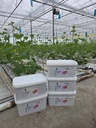
Rates and protection strategy are set individually after our specialists analyse the site; the mites are introduced at about +20 °C. In the propagation section: preventively 100 individuals/m², at least along the table edges on the last 2–3 cubes; when the crop is colonised by sciarids or thrips – 300 individuals/m². In pot crops the rate is calculated from the bench or soil area occupied by the pots, including uncovered patches of substrate. In the production greenhouse the most effective rate is 300 individuals/m² – the mites are spread onto every cube (or every second or third). Regular introduction of Steinernema feltiae nematodes into the soil reduces sciarid larvae, so Hypoaspis controls thrips more effectively.
- Preventive rate: 100 individuals/m² per season.
- Rate for controlling pest hotspots: 300 individuals/m² per season.
Packaging and storage
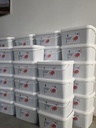
1 l tube – 25,000 mites; 5 l plastic bucket – 125,000 mites. The biomaterial (adults, nymphs, larvae and eggs) is supplied in plastic containers with a moist substrate of vermiculite, peat and wheat grains. Store in a dark place at 10–15 °C; shelf life a little over 2 weeks (at 12 °C in a wheat-and-rice substrate the mites stay viable for over 28 days).