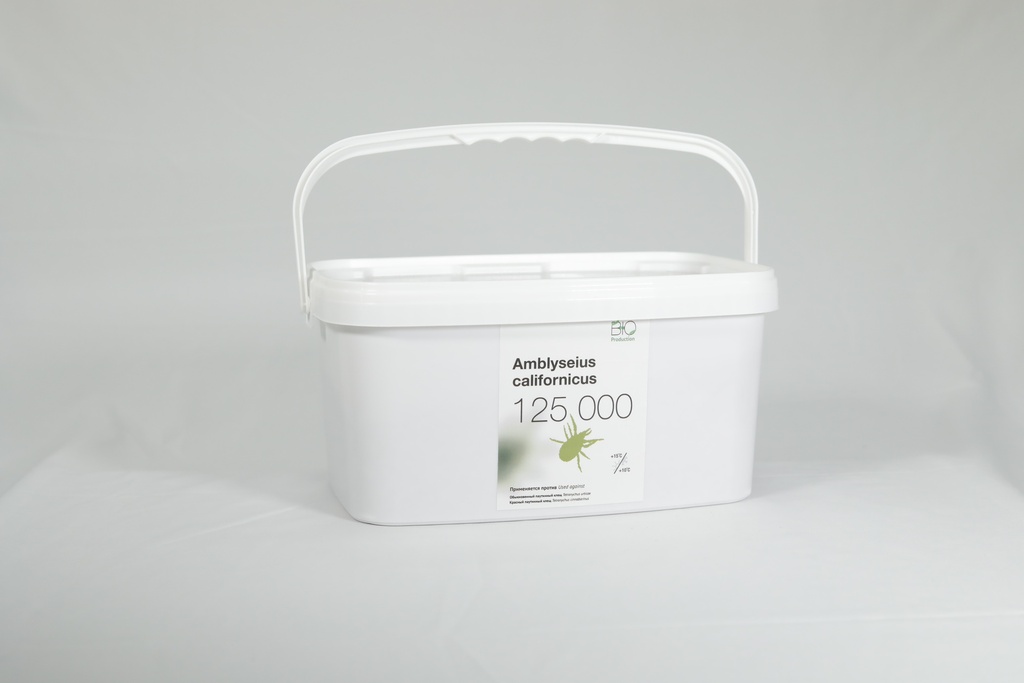
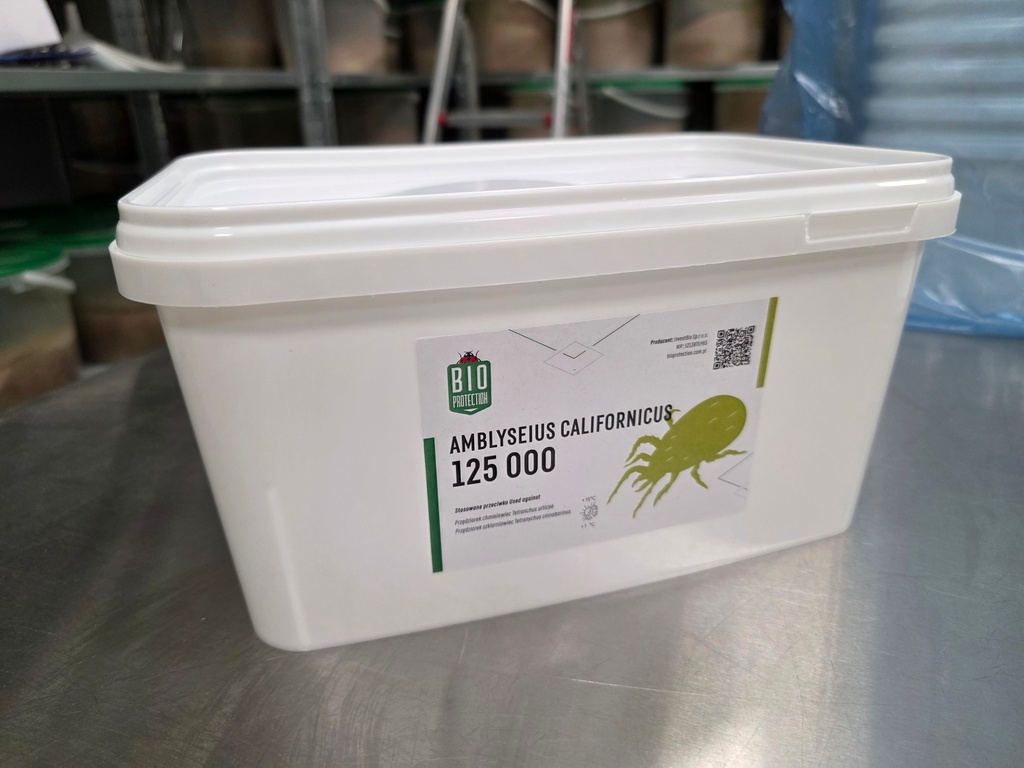

Amblyseius californicus
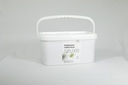
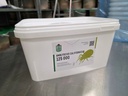
Pack size: 125,000 pcs, plastic bucket
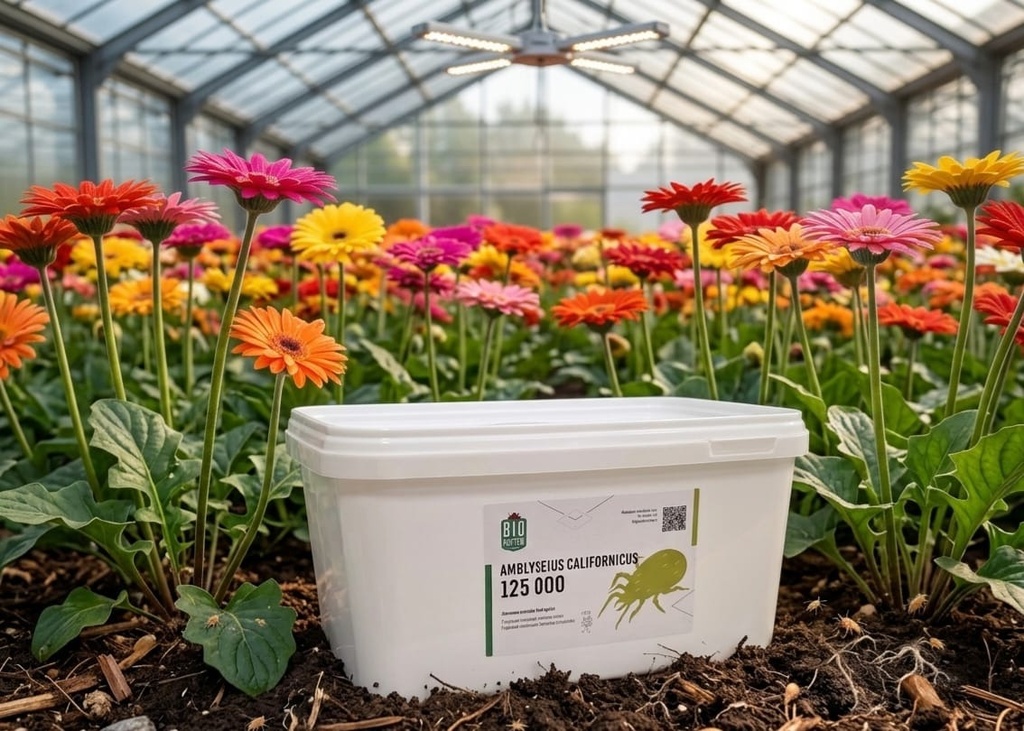
Neoseiulus (Amblyseius) californicus is a predatory mite from subtropical regions that controls spider mites (Tetranychus, Oligonychus, Panonychus), eriophyid and tarsonemid mites and, in their absence, thrips larvae as well. It tolerates high temperature and low humidity and feeds on pollen, so it persists on the crop after the pest population declines. For aubergine, cucumber, pepper, rose, gerbera, strawberry, raspberry, apple, melon, watermelon, maize and soybean. Produced by Bioproduction.
Neoseiulus (Amblyseius) californicus – predatory mite for spider mite control
Pack size: 125,000 pcs, plastic bucket
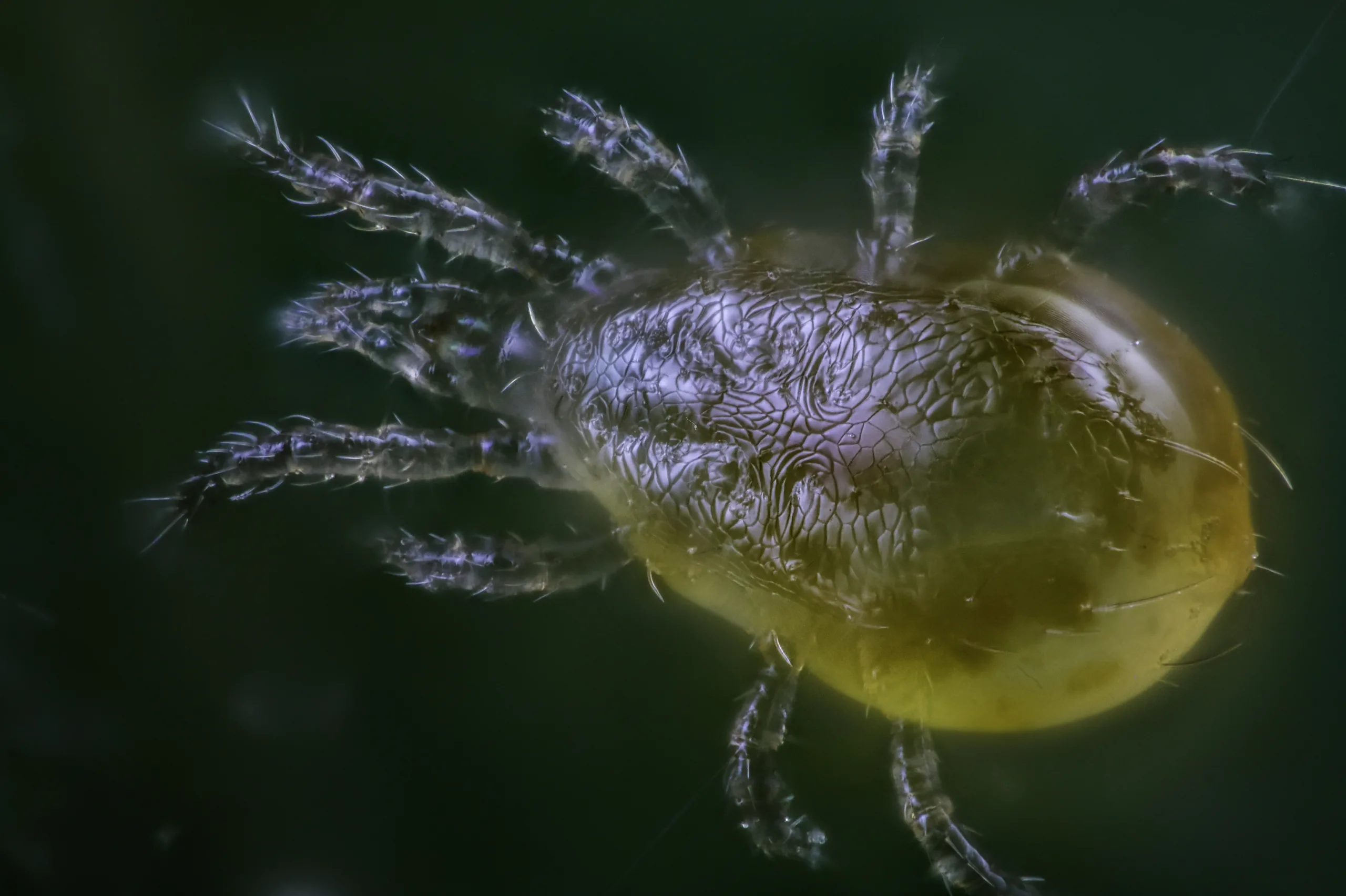
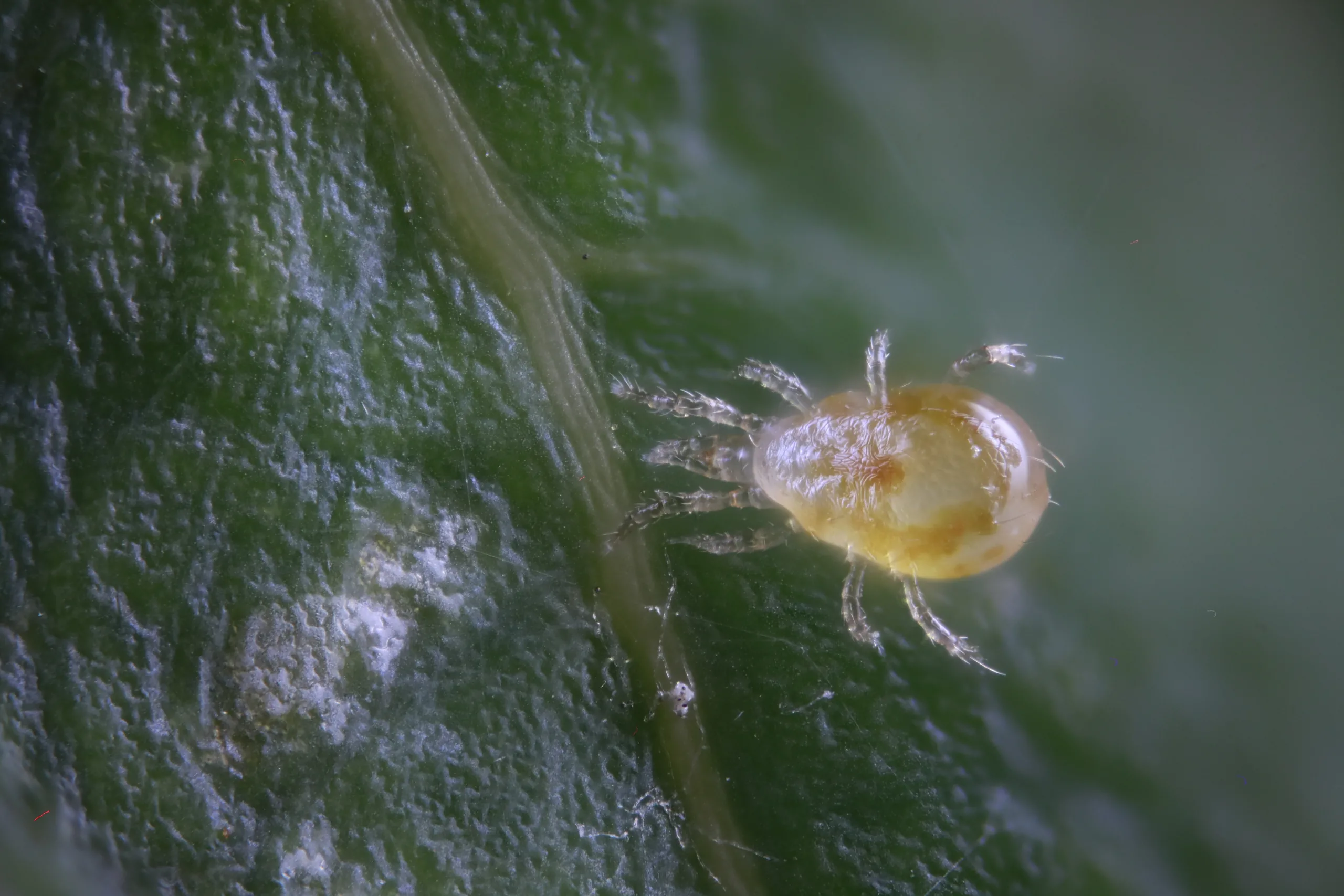
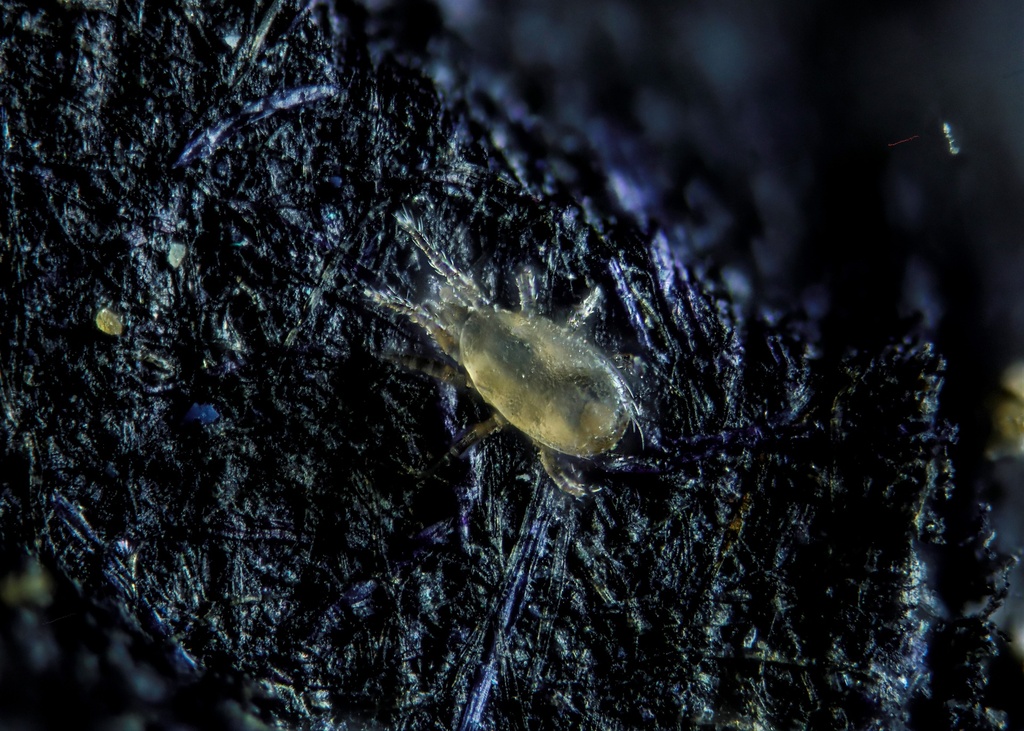
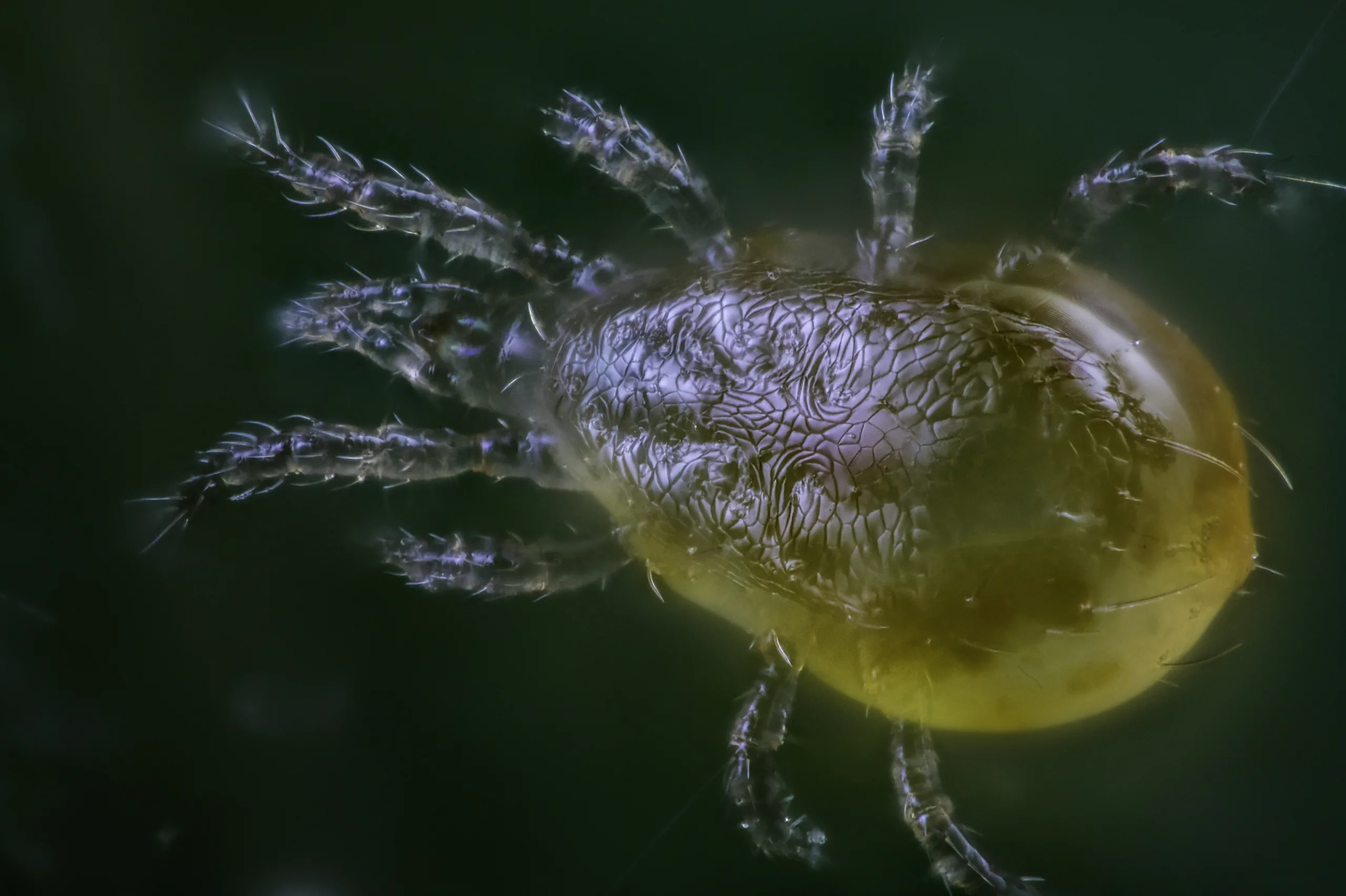
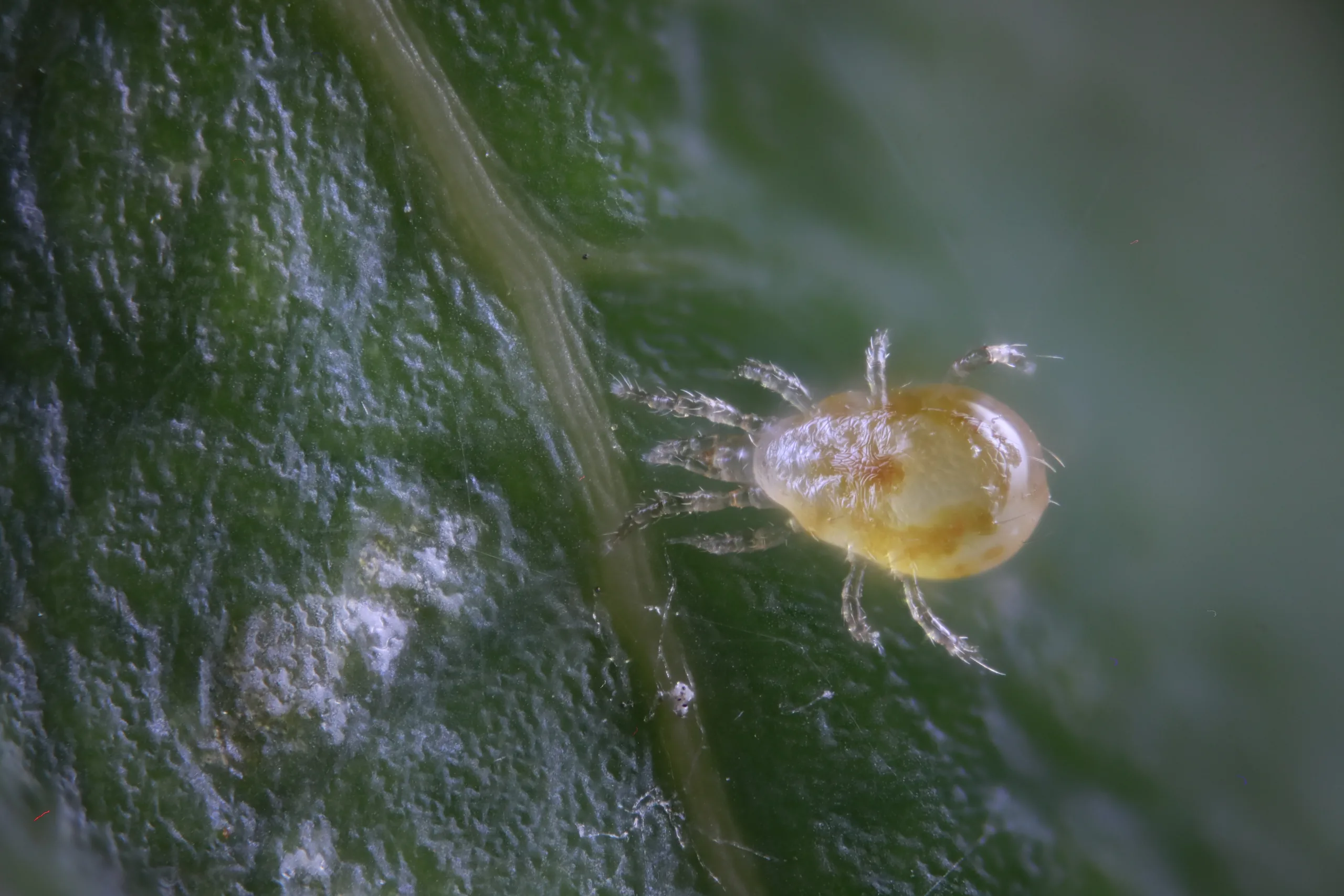
Neoseiulus californicus (also known as Amblyseius californicus) comes from subtropical regions. Its body is about 0.5 mm long, pale yellow (orange to red depending on the food) with relatively long legs; males are slightly smaller than females.
Target pests
Adult predators attack all stages of spider mites, nymphs feed mainly on eggs. Prey includes Tetranychus urticae, T. cinnabarinus, T. atlanticus, T. turkestani, Oligonychus pratensis, O. perseae, O. ilicis, Panonychus citri, P. ulmi, Aculus schlechtendali, Phytonemus pallidus and Polyphagotarsonemus latus. When spider mites are absent it attacks thrips larvae (Thrips tabaci, Frankliniella occidentalis). It eats about 5 spider mites or 15–20 eggs per day and survives on pollen.
Crops
Aubergine, cucumber, pepper, rose, gerbera, strawberry, raspberry, apple, melon, watermelon, maize, soybean and other crops.
Life cycle and temperature
Egg – larva – protonymph – deutonymph – adult; females lay eggs in spider mite colonies along the leaf veins. Total development time: 21.8 days at 15 °C, 6.7 days at 20 °C, 5.0 days at 25 °C, 3.8 days at 30 °C, 3.7 days at 35 °C.
Key advantages
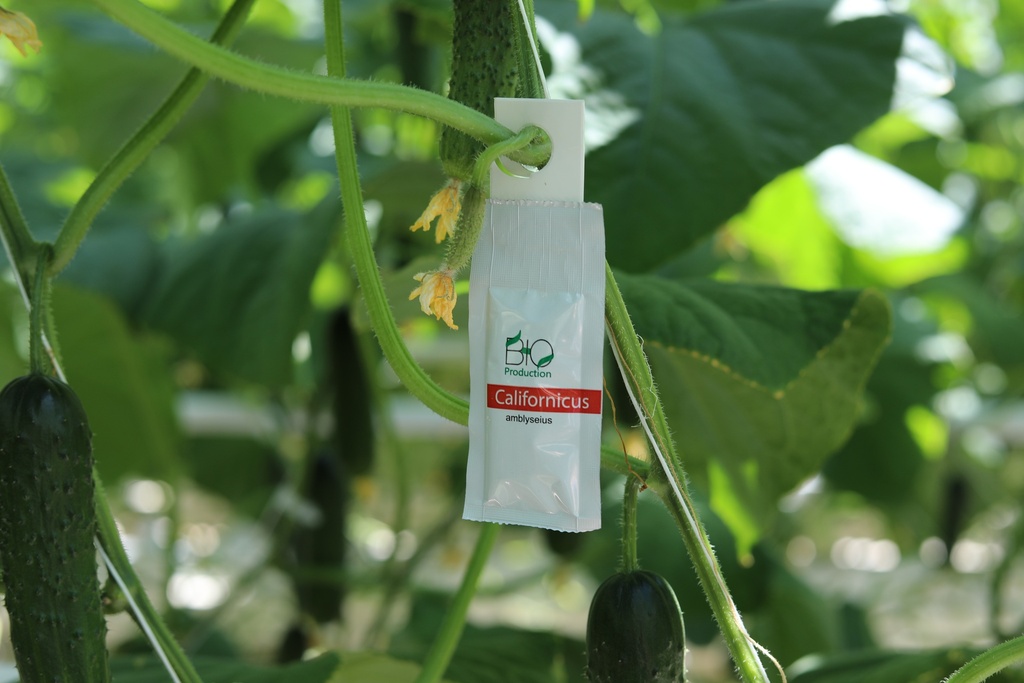
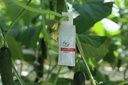
- long-acting water-resistant sachets with hooks – simple, ecological spider mite prevention,
- the sachets give extra protection from pesticides, so the method also works when plant protection products are used,
- tolerance of high temperature and low air humidity,
- feeds on pollen – stays on the plants after the pest population declines,
- reared on mites harmless to plants – safe to use.
Application
Prevention: carrier with predators is introduced already at the seedling stage (litre cardboard tubes, material on the cubes) and after planting out 1,000 sachets with hooks per hectare are recommended – at the row ends and along the central path. Local strategy ("living insecticide"): 2nd- and 3rd-degree hotspots are treated with a high concentration of predators at 1:1 or 1:5 after removing heavily infested plant parts; if necessary a compatible acaricide treatment first. It is best to act preventively and solve the problem at an early stage.
- Preventive rate: 0.25 sachet/m² once a month.
- Rate for controlling pest hotspots: 50 m²/week.
Packaging and storage
1 l tube – 10,000, 25,000 or 50,000 mites; 5 l plastic bucket – 125,000 mites; paper or foil sachets with cardboard closure – box of 500 sachets of 250 or 1,000 sachets of 125; LifeLine – flexible 50 m tape of sachets (can be made to order). Protect from sun, transport and store at 10–15 °C, use within 18 hours of receipt.